Date:12/15/25
Today's fish of the day is the Borax lake chub!
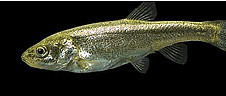
The Borax lake chub is an incredibly rare fish endemic to only a single lake in Oregon. Identified currently by scientific name Siphateles boraxobius, although previously referred to as Gila boraxobius, a much larger genus of western chubs, the Siphateles genus is unique to a handful of chubs that once existed widespread in the Western Great Basin lake.
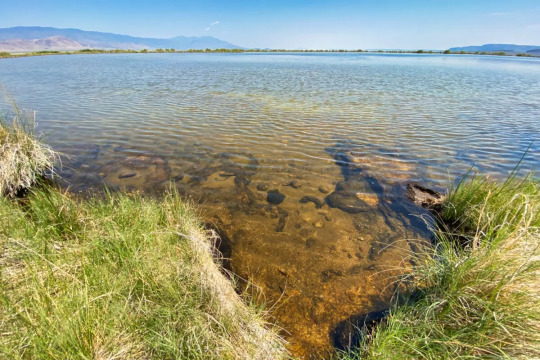
The Borax lake chub is found exclusively within Borax lake, just 10 acres large in Southeastern Oregon's Harney county. The lake is fed by a series of hot springs, and is surrounded by huge amounts of boron, as well as arsenic, lead, and other heavy metals.
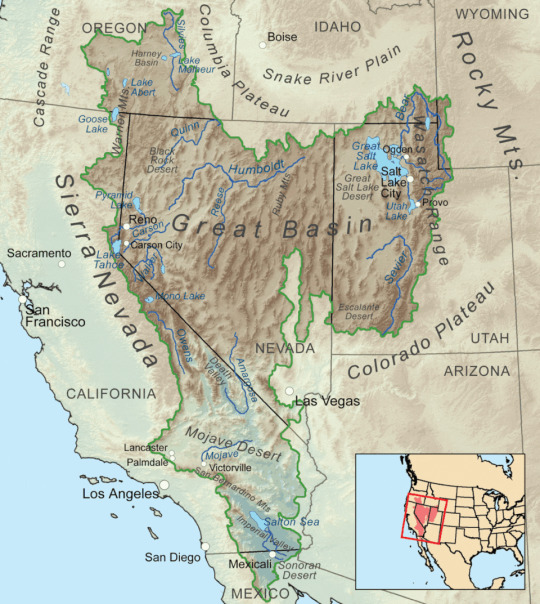
The closest nearby lake would be lake Alvord, both of which were once a larger lake Abert. Lake Abert once connected to the Great Basin Lake, better known for being connected to Salt Lake 2.6 million years ago. As these lakes dried up, it left tiny lakes and creeks across Southeastern Oregon, including Borax lake. Most of these are too alkaline to support fish life, however the Borax lake chub finds a way to survive in this harsh environment
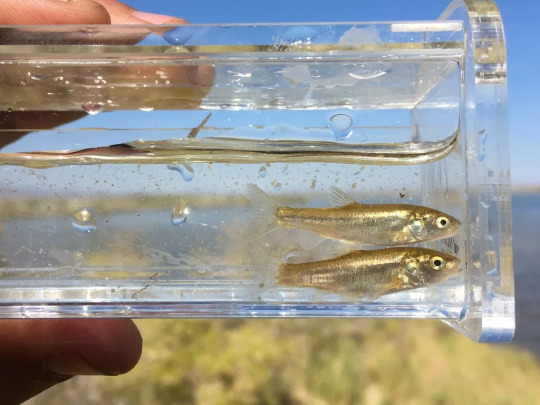
Borax lake is defined by the incredible amount of boron salts found in and around the waters. This led to the mining activity taken by Rose Valley Borax Works, which was operated in the late 1800's. Despite later interest in the boron salts later, it was not taken up again before being put under protection by the United States government with concern around the Borax lake chub populations dropping. The lake can reach temperatures up to 105 °F, (around 39 °C) although the average temp of the water is 61-95 °F(16-35 °C). The Borax lake chub moves out of the main waters of the lake and into smaller, colder offshoots during these times. However, these intense temperatures, as well as the high boron and heavy metal content makes the lake near uninhabited, with only the lake chub, a species of snail, and algae.
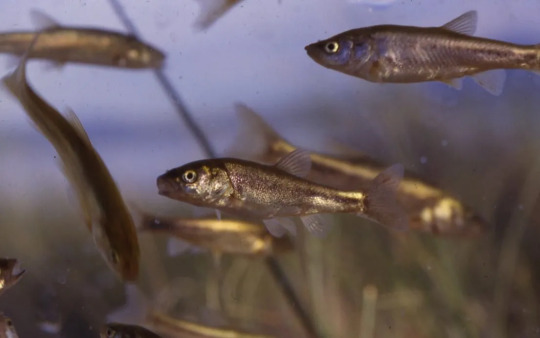
This lack of other species leads the Borax lake chub to be an opportunistic feeder. Consuming larvae, small crustaceans, various zooplankton, algae, and terrestrial insects that rest on the water. The main way these fish feed is by rooting at the bottom of the lake, feeding on the particles that are suspended by the fish's actions. This allows the fish to reach a maximum size of 4.3 inches (11 cm) although mos fish will only reach 2inches long.
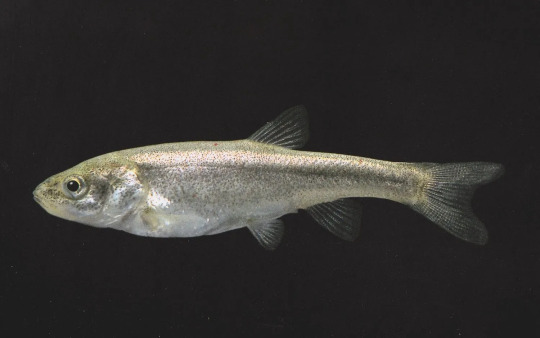
The reproduction and lifecycle of the Borax lake chub is nearly entirely unknown, so we must base data on other fish in the Siphateles genus. Other fish in the same genus as the Borax lake chub spawn between late spring to late summer, depending on when water temperatures are the highest. Although I imagine with summer water temperatures being as high as they are in Borax lake, I guess breeding must happen in later spring. Other fish will live lives of around 7 years, although some can live upward of multiple decades, the oldest recorded being 33, and breeding from 2 years of age and above.
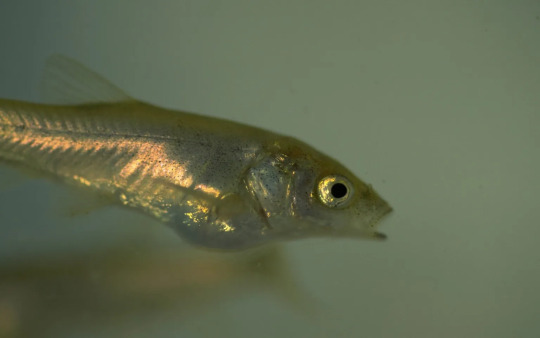
Tha'ts the Borax lake chub, everybody! I hope you enjoyed learning about this fascinating fish!