Date:Tue 5/28/2024 8:00 AM
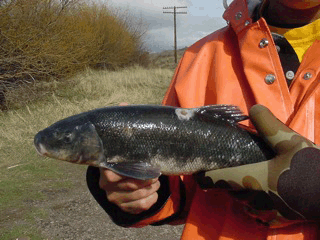
Happy Tuesday, Everyone! Today's fish of the day is the shortnose sucker!
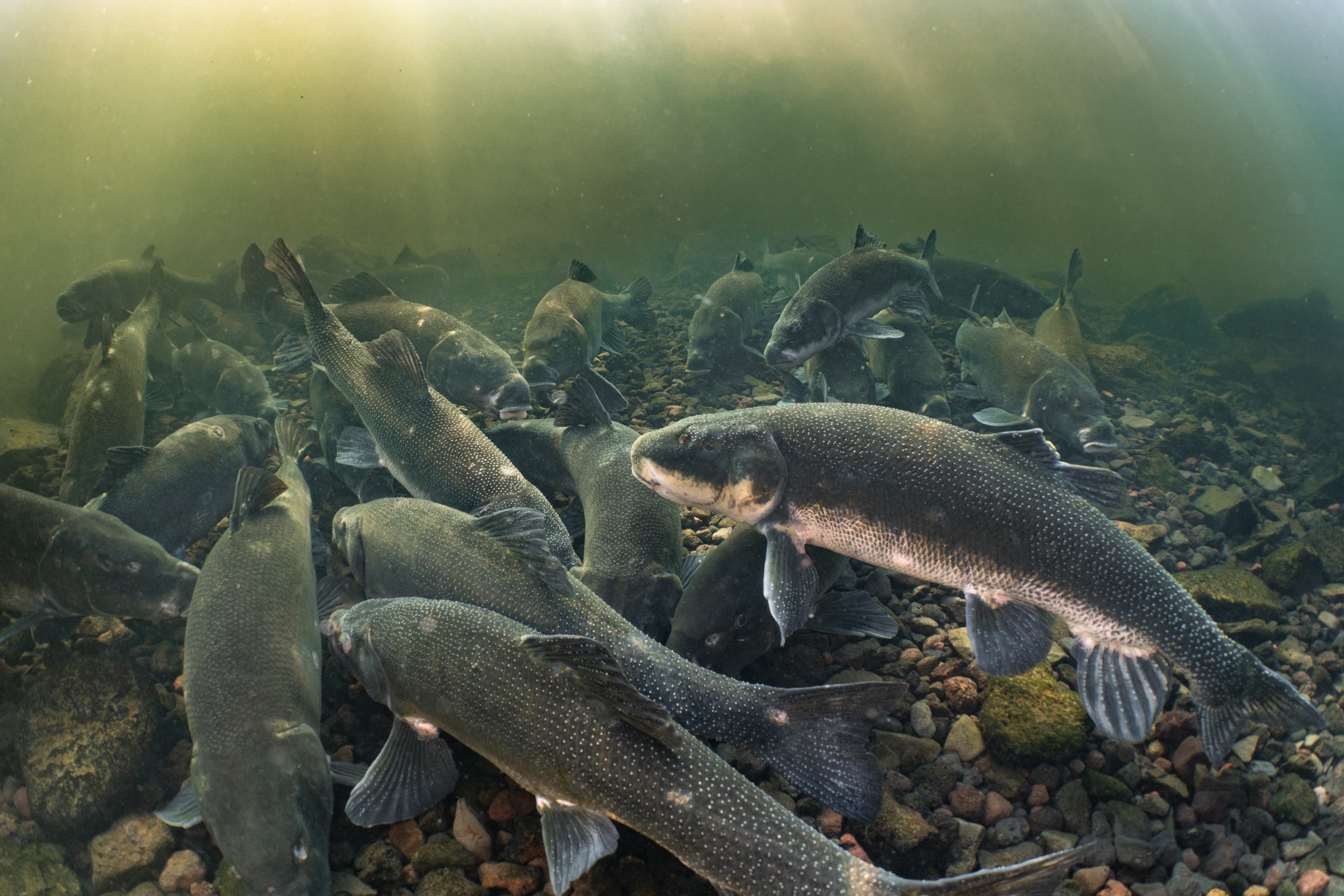
The shortnose sucker, Chasmistes brevirostris, is a rare and endangered species in Oregon. Living in the East Cascades in Southern Oregon and Northern California, it can be found primarily in the tributaries of the Upper Klamath Lake, the Lost River, Clear Lake, the Klamath River, and Gerber Reservoir. These are the only remaining areas where these fish can be found, a small area of their original historic range. This historic range also contained Tule Lake, Lower Klamath Lake, Sheepy Lake, and surrounding rivers and streams that branch from these. Their diet consists of small benthic (bottom dwelling) invertebrates and zooplankton in their environment, supporting them to sizes of 40-50cm (16-20 inches).
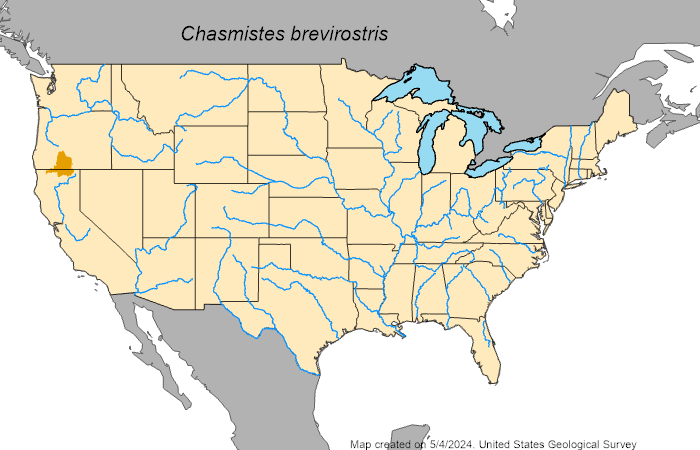
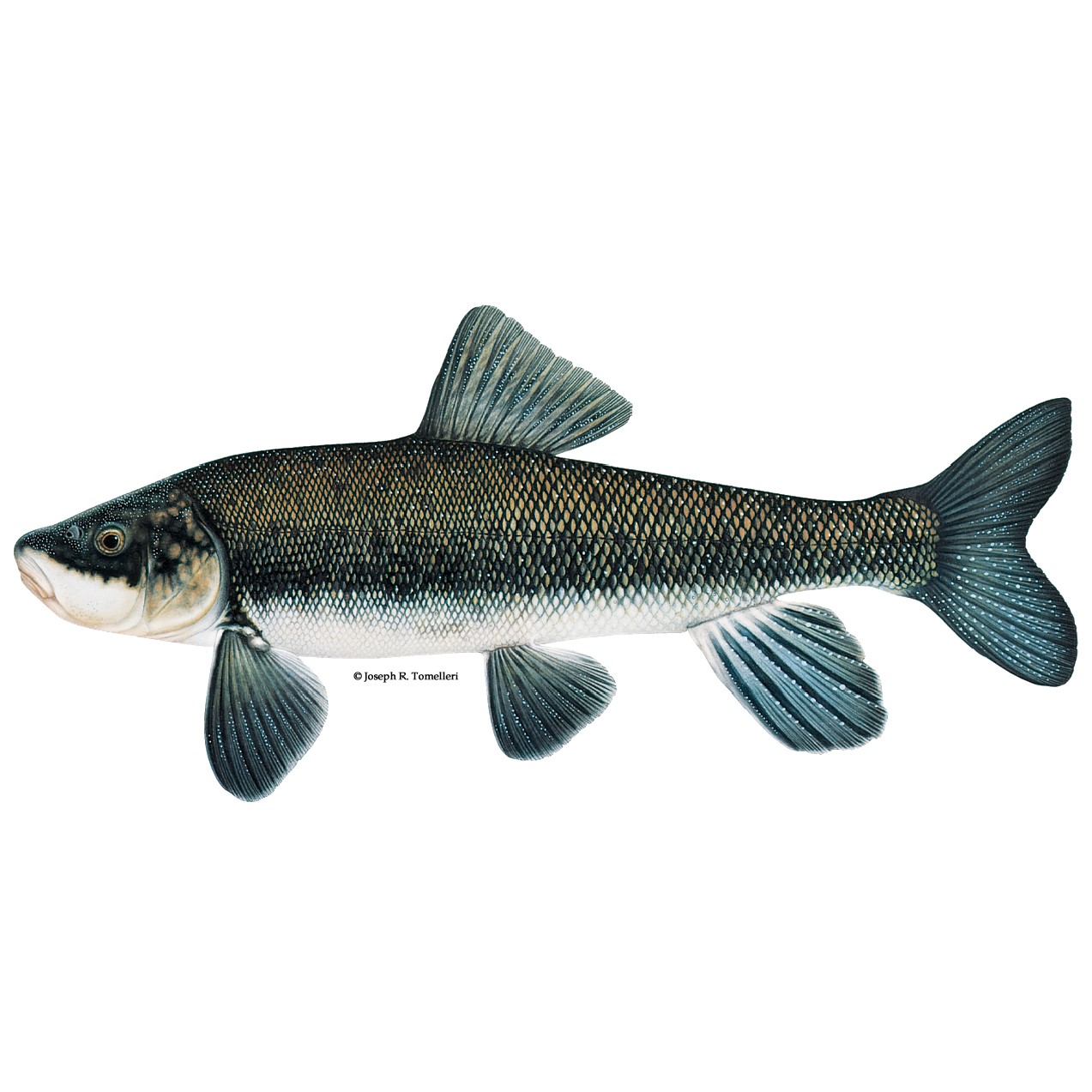
These fish's favorable conditions are an area with well oxygenated waters (4-10mg/L), shallow lakes, cool temperatures, and plentiful aquatic vegetation. Although they can live in conditions with as low as 1mg/L oxygenated water, this severely impacts the fish as it gives them high stress levels and mortality rates, causing spawning issues, juvenile death, and severe loss of larvae. This dramatic reaction is being caused by multiple sources: reduction of spawning habitat, dams, insufficient fish ladders, land alteration around waterways. However the largest factor in their decrease has been periodic cyanobacteria blooms, which produce cyanotoxins, and reduce dissolved oxygen in water. These create huge problems for the few populations of shortnose suckers remaining, and it is thought that were it not for conservation efforts, they may already be gone.
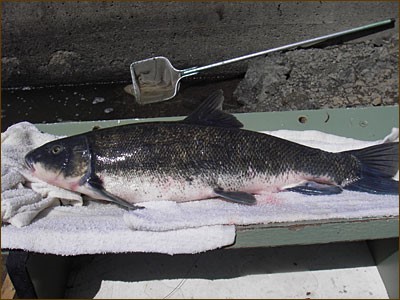
Around the age of 6 or 7 shortnose suckers will reach sexual maturity. From February to early May these fish migrate further upstreams to where the water is clear and a gravel bottom can support eggs. During each breeding season females can lay tens of thousands of eggs, around 40,000 They can also spawn and hatch at lakesides, but it has been a rare sight and the conditions that allow for this are currently unknown. The eggs will incubate for 2-3 weeks, and then larvae will flow downstream, usually in vegetation cover or at night time, where they will live out most time along lake edges, where the oxygen is the highest. The first 5 years of their life is when growth is the most rapid, but after reaching sexual maturity they will no longer grow. Their lifespan goes as long as 33 years, longer than most others in these environments.
Have a wonderful Tuesday, everyone!