Date:5-16-24
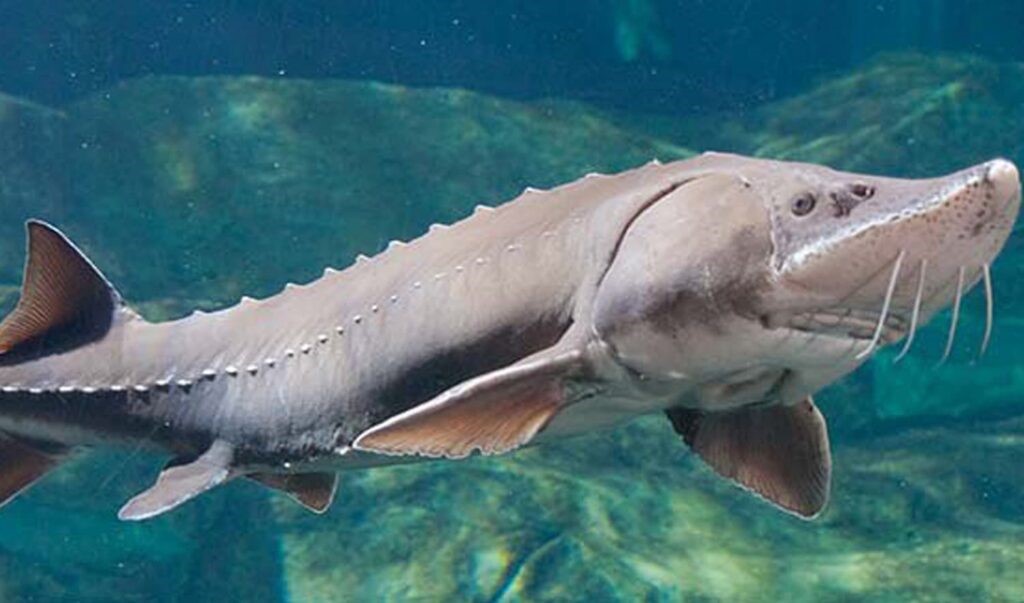
Happy Thursday, everyone! Today's fish of the day is the Beluga sturgeon! Also, as a reminder, high school seniors receiving this at your school email, if you wish to receive fish emails past graduation, you must send me a non school email!
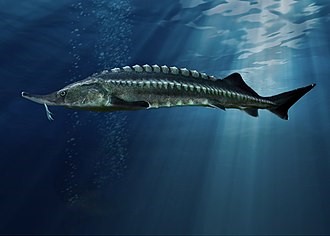
The beluga sturgeon, also known as the great sturgeon, scientific name Huso huso, was requested by Andromeda! Known for being the largest freshwater fish, and the third largest living fish species in the world, only behind the whale shark and basking shark! This fish is euryhaline, meaning that it can live in many different salinities and environments, and as such moves comfortably through estuaries and rivers alike. They are native to areas around the middle east, Asia, and Europe. Their historic range was in, the Adrian sea, the Black sea, Caspian sea, and sea of Azov, and all connecting rivers between, but as of modern era they can be found only in the Black sea, the Caspian sea, and some rivers connected, notably: the Danube. Like other sturgeons, this is one of the more ancient species still alive, and they started appearing in the fossil record as far back as 200 million years ago.
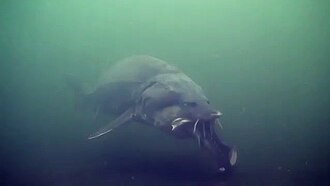
Beluga sturgeon are some of the only active hunting species of the sturgeon family. Prey consists of molluscs, crustaceans, small mammals; such as caspian seals, and any fish they fit in their mouth. In fact, they're very hard to keep with any other animal, as they can and will eat anything that will fit into their mouth. They pursue their prey, moving faster than expected, and being able to travel up to 37 miles a day, and reach speeds of 15mph in short bursts well hunting, prey is sucked into the mouth quickly. This supports their huge sizes, they can get as large as 28 feet recorded, but there are claims for them reaching as large as 40 feet. Beluga sturgeon can live a long time, taking 10-16 years to sexually mature for males, and 14-20 years for females, and claims that they live more than 100 years in the wild. They have no known predators, other than humans.
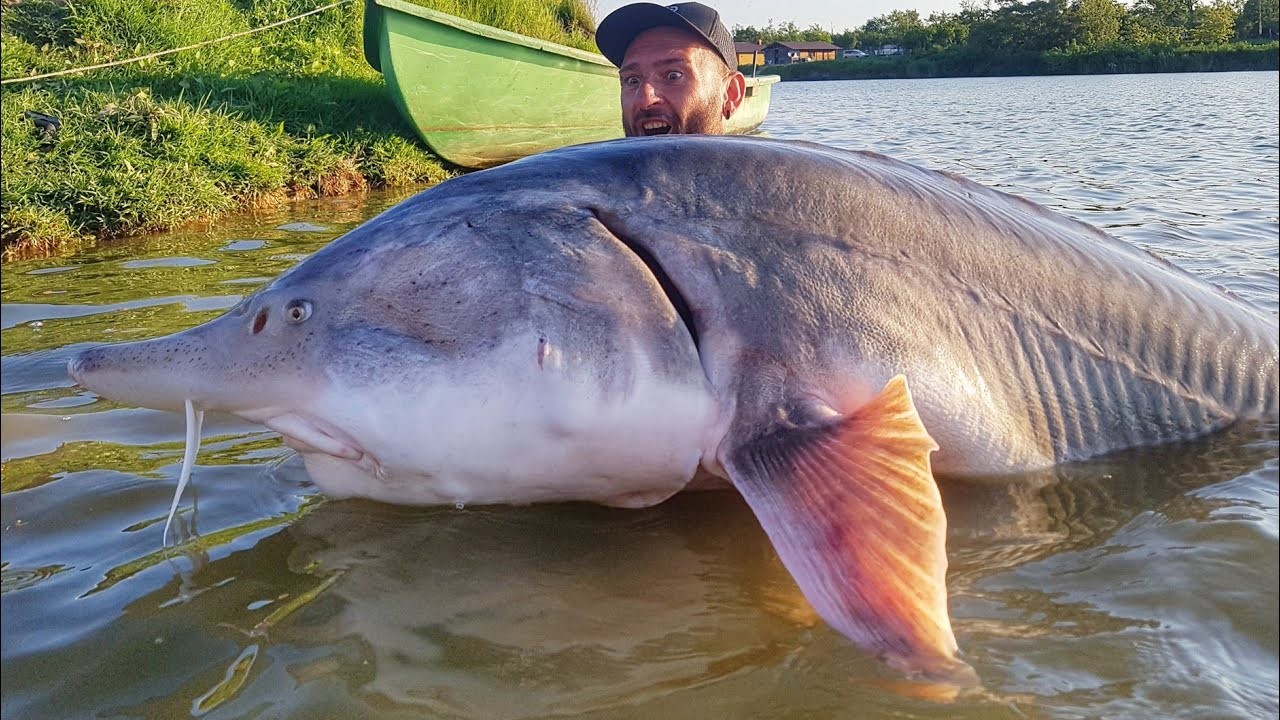
Humans are the main and only cause for the reduction in beluga sturgeon populations. These fish fall to dams, like many large fish, and most sturgeon in particular. As it turns out the caviar are perfect for meals, and worth as much as $3,500 US per pound. During breeding season large fish can carry hundreds of pounds of these caviar at a time, and are regularly illegally hunted for this. Although they are large, they are easy to catch, and their meat can go worth good money as well, although due to the legality of its nature I was unable to find exactly how much it's worth, since them being marked as endangered. Efforts to repopulate the sturgeon into their native habitats, but it is a slow effort.
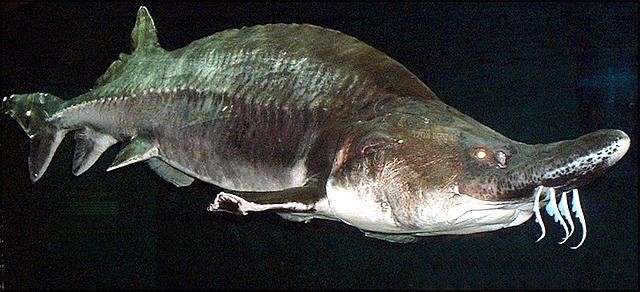
Spawning takes place further upstreams, and they have historic routes they remember over years. Spawning events take place every 4-7 years. Being as this sturgeon has lived in the Danube as it was forming, they have adapted strategies to spawn in it. Spawning is done in two stages, necessary because spawning is up to more than a thousand miles upstream for some fish. The first stage is in autumn which is when they enter the danube in masses, The second stage is after they winter in the river, taking place in spring where they actually lay and fertilize eggs. The eggs will hatch after 2 weeks, and well they age in the danube they will be benthic, feeding mostly on small bugs they can catch. That is, until they are large enough to subsist off of mostly fish.
Have a good Thursday, everyone!