Date:Tue 5/14/2024 8:00 PM
Happy Tuesday, everyone!
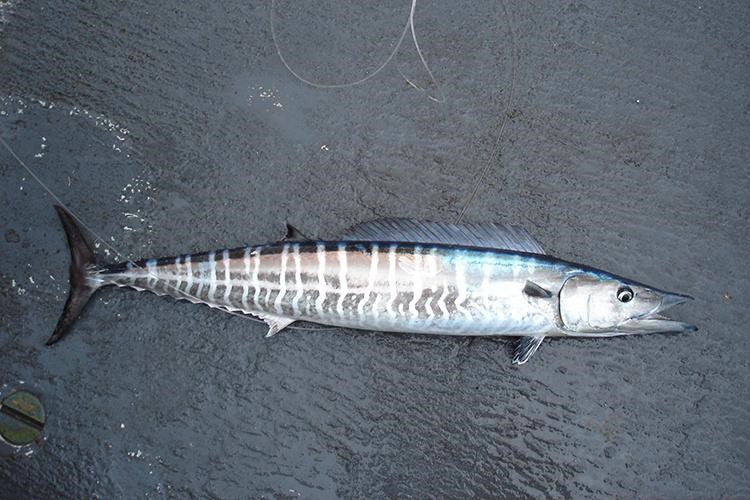
Today's fish of the day is the Wahoo, known by the scientific name Acanthocybium solandri! These fish are well known for the high quality of their meat, and their high speeds, regularly compared to tuna in terms of speed and agility. Visually, these fish have been mixed up with barracuda and king mackerel or spanish mackerel. Distinction between wahoo and mackerels being found in a flap of skin covering the mandible when the mouth is closed in the wahoo. Barracuda is distinguishable from both the wahoo and mackerels due to differing scale sizes and teeth shapes.
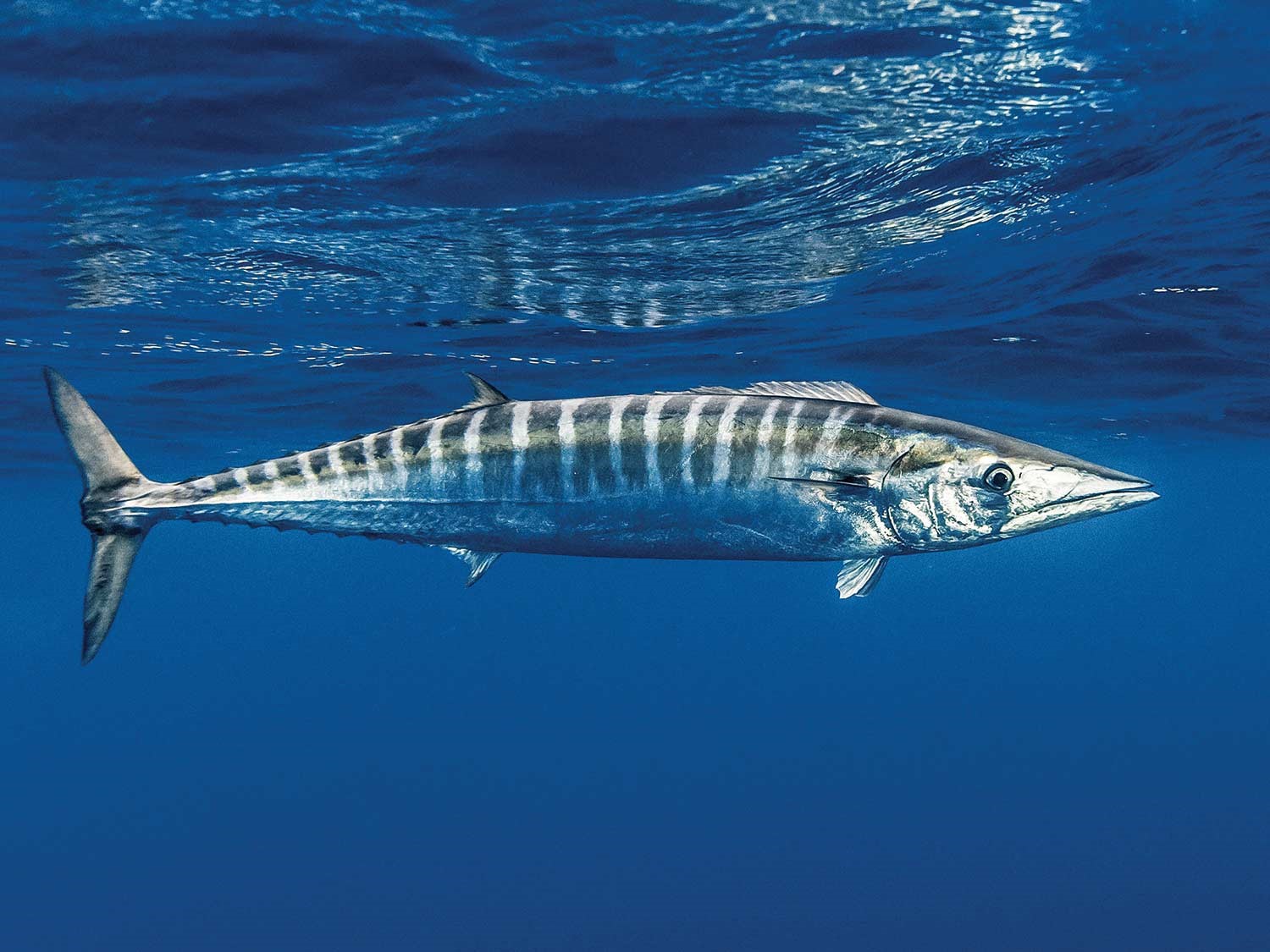
Wahoo have two distinct species, the Atlantic wahoo and the Pacific wahoo, which can hybridize and are thought to be visually identical. Wahoo grow fast, getting as large as 8ft in full adulthood, and weighing as much as 160 pounds. Both males and females reach secual materity at 1 year, although by this point they are only about 3ft long on average, it will take another 2 years for them to reach their full size. Their eggs are buoyant, and although Wahoo rarely exist in schools, preferring to exist in small groups or simply alone, they will gather in large groups for spawning. When born, the larvae and fry stay in the pelagic zone. Adults also prefer to remain close to the surface, but dive deeper for hunting, or in pursuit of food.
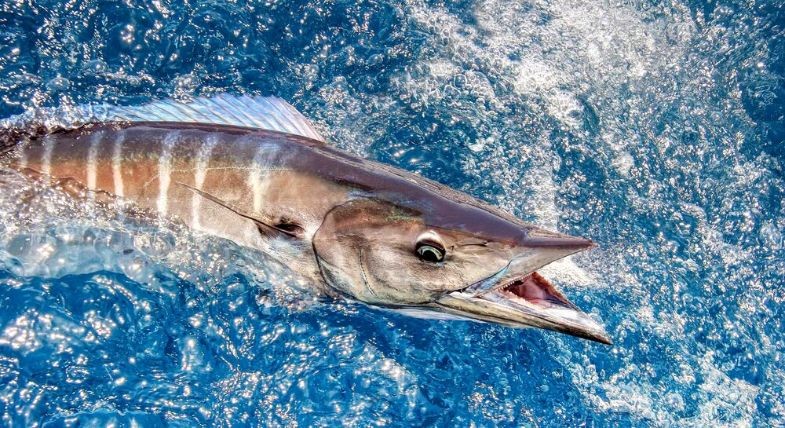
The diet consists mostly of fishes, oftentimes, schooling fishes. Although those in the Atlantic are known to have a penchant for cephalopods. Often, wahoo are in direct competition with tuna for food, but they have an advantage with their sharper teeth. Younger wahoo are preyed on by large fish, and adults are preyed on by sharks, other than that, they are relatively unbothered in the waters. Wahoo's habitat lies along tropical and subtropical waters, and although migration routes are currently unknown, they are regularly found at higher latitudes in the summer months. These fish can exist in almost every environment, but they prefer to live along banks, and closer to shores, although they can be found in the open ocean just as easily.
Have a wonderful Tuesday, everyone!