Date:Tue 6/4/2024 8:30 PM
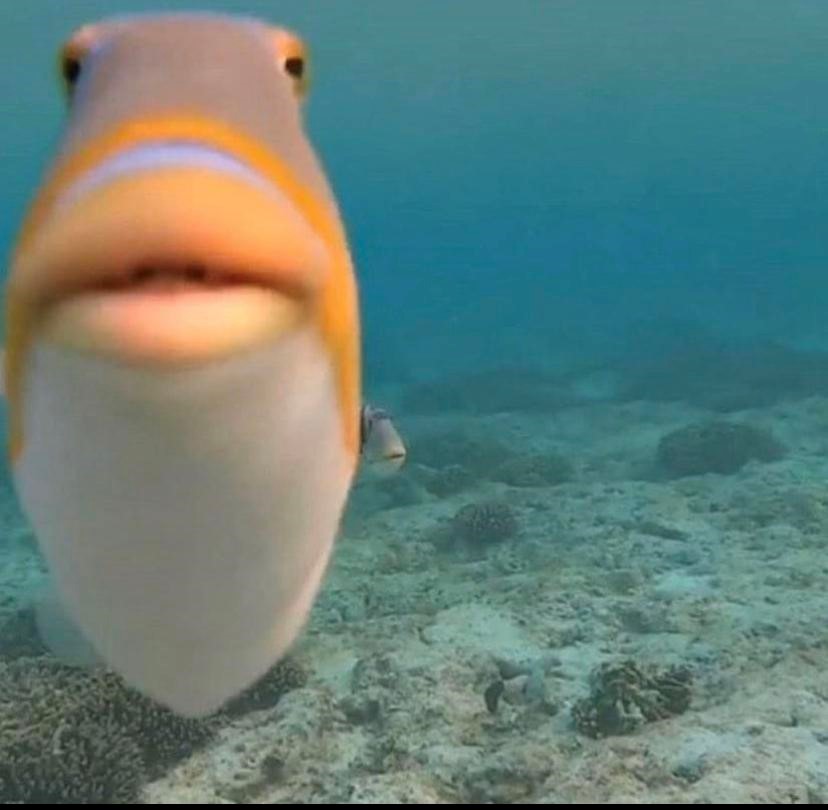
Happy Tuesday, everyone! Today's fish of the day is the reef triggerfish!
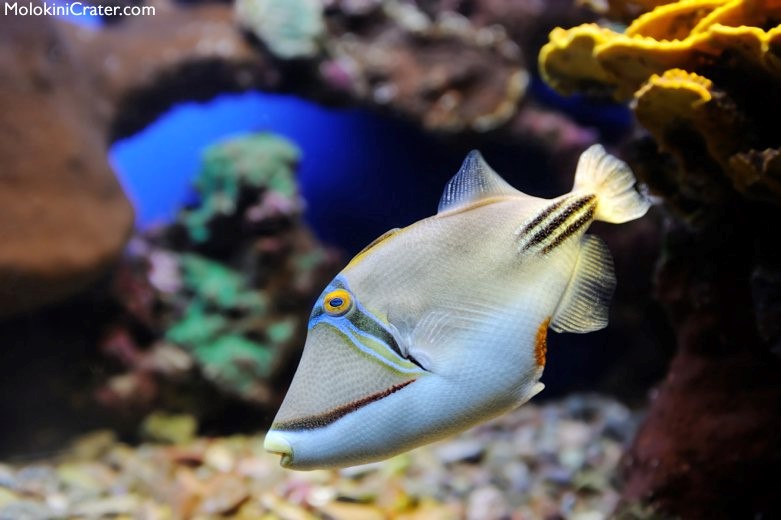
The Reef Triggerfish, also known by Hawiian name humuhumunukunukuāpuaʻa, and scientific name Rhinecanthus rectangulus, is known for its prevalence across the indo-pacific, and for being Hawaii's state fish! Their range stretches from the Hawiian islands to the Eastern Philippines,Northern Australia, Indian ocean, small sections of the red sea, and the mediterranean. This fish lives its life out along reefs and other sea shelves, as their hunting style consists mostly of digging in the sand and rocks for prey, similar to pigs digging for truffles. Their diet consists of reef invertebrates, algae, small crabs, sea urchins, and other benthic animals. This diet can support them to sizes of 10-12 inches, which is the smaller range for triggerfishes.
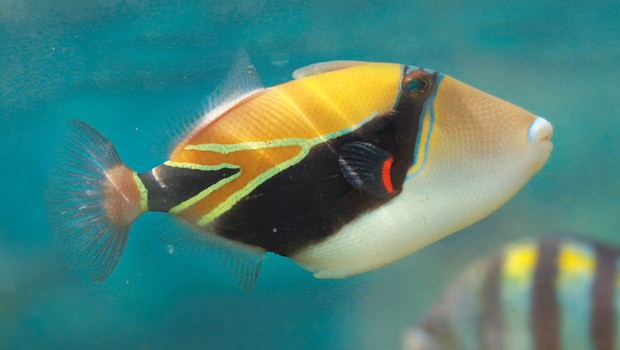
These fish, like many other triggerfish, gain their name from their ability to fire and aim jets of water, which it will also use to hunt and find prey beneath the surface. They also will use this against other fish and larger beings in their territory, as reef triggerfishes are intensely territorial, and solitary other than in breeding season. This can manifest in cases where reef triggerfish chase and bite humans viewing reefs. When met with predators, the reef triggerfish, similar to other triggerfish, finds small holes within rocks or corals that it will lodge itself within. The first dorsal spine will act as a physical barrier that can lock in an upright position, making it harder for predators to pry it out of their safe havens. Due to the shape of their spines and fins, these fish can swim forward, backward, and hover in the water.
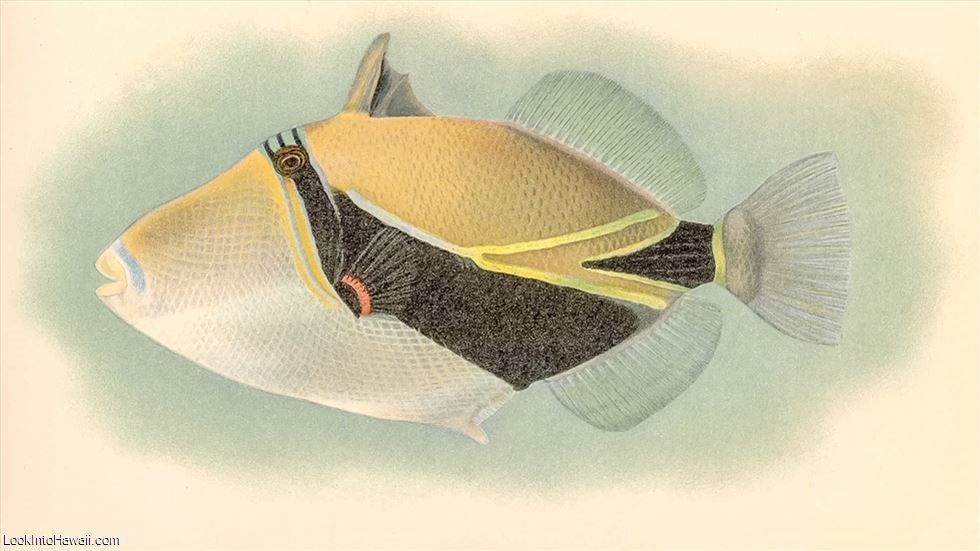
Like most fishes, reef triggerfish have a breeding season from April-August, and classically have females lay eggs and males fertilize in groups. This being the one of the only times they interact with other of their species intentionally. Then after this, a female will build a nest, and wait with eggs until a few weeks after they hatch, at which point the fish will set out independently. Reef triggerfish can also change coloration, turning a more vibrant shade for breeding seasons. They will also present vibrantly when healthy, sexually mature, and unthreatened. They can also change colors to better match an environment around them, and do so nightly when they settle into holes to rest.