Date:Thu 6/27/2024 1:00 PM
Happy Thursday, everyone! Today's fish of the day is the bluebottle fish!
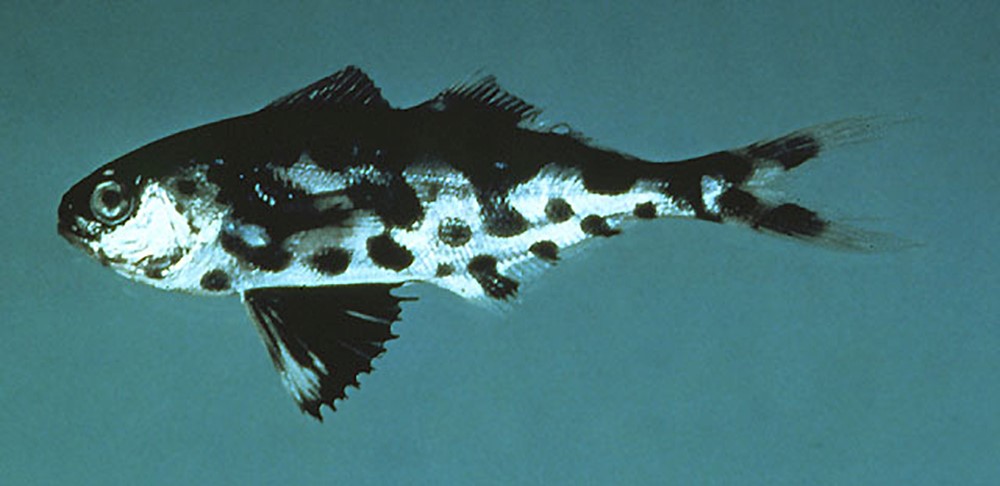
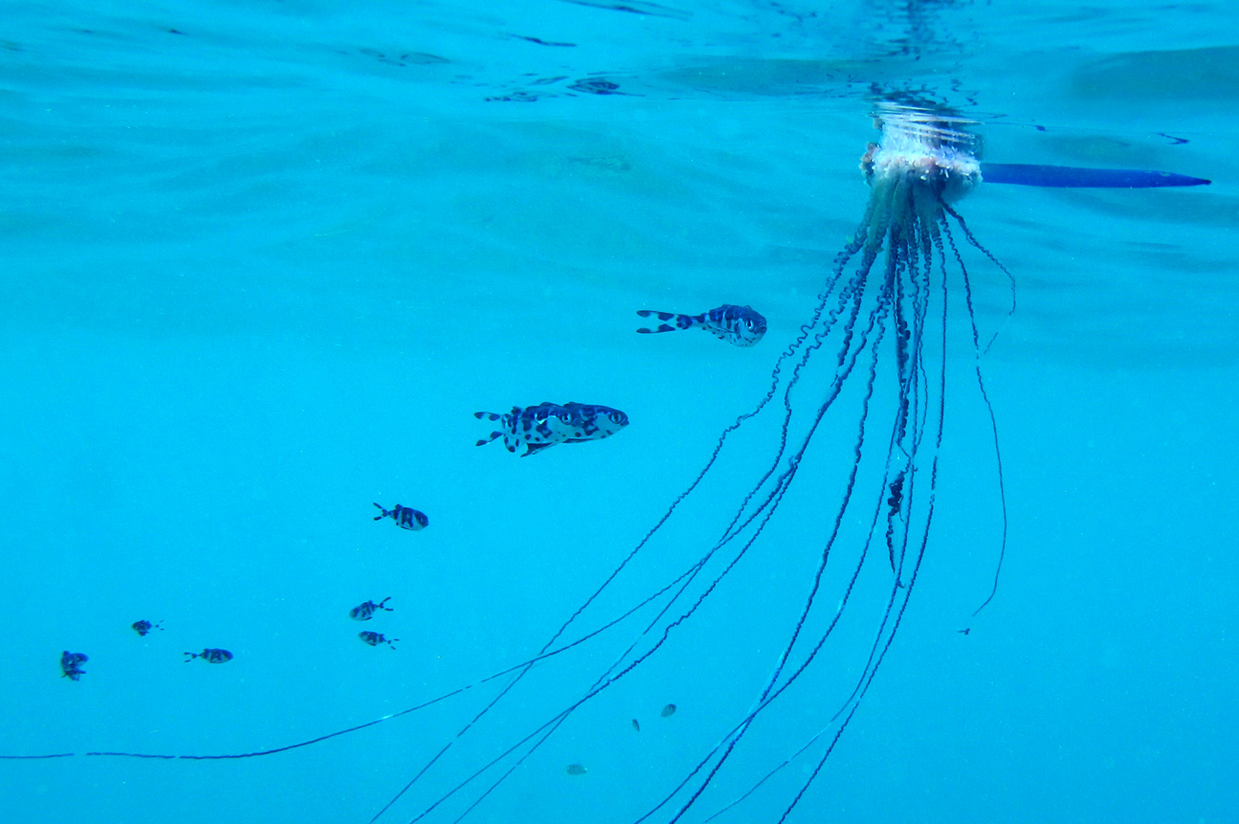
The bluebottle fish, also called the man-o-war fish, scientific name Nomeus gronovii, is known for their strange lifestyle. Similar to that of clownfish and their life in the anemone, the bluebottle fish lives in and around the tentacles of the Portuguese man o' war or bluebottle. Little is known about this species due to their hard to reach nature, as mon o' war are known for their stinging cells, filled with venom that can induce something similar to an allergic reaction, which can be fatal. However, unlike the clownfish living in anemone, the blue bottle fish does not have a mucus membrane preventing them from being stung.
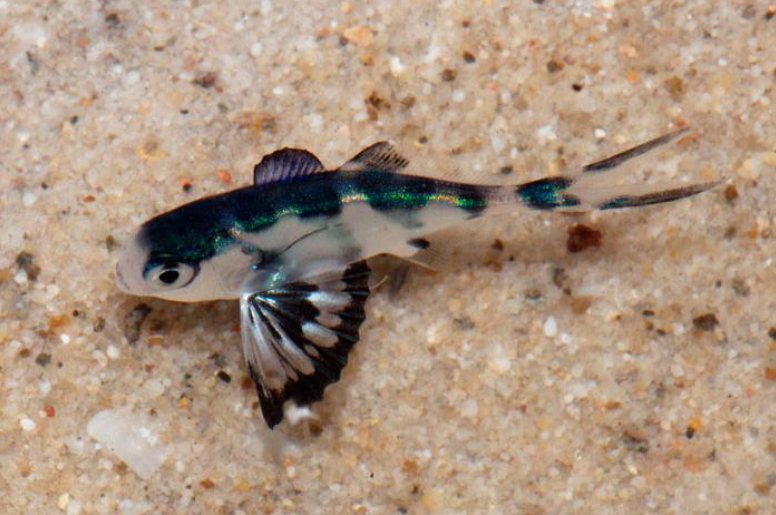
As opposed to what may be assumed, when hearing a fish such as the bluebottle fish is living within a highly venomous animal, the bluebottle fish is not immune to being killed by the man o' war. The fish primarily avoids firing the nematocysts by swimming around them, physically avoiding the larger tentacles. This is made easier by the 41 vertebrae within the bluebottle fish and surprising agility. There is also a complex skin layer, containing at least 1 antibody and giving them the ability to withstand the toxin to limits far above any other fish. The bluebottle fish uses this to feed on the tentacles and gonads of the man -o' war, and they can get as large as 39cm in length.
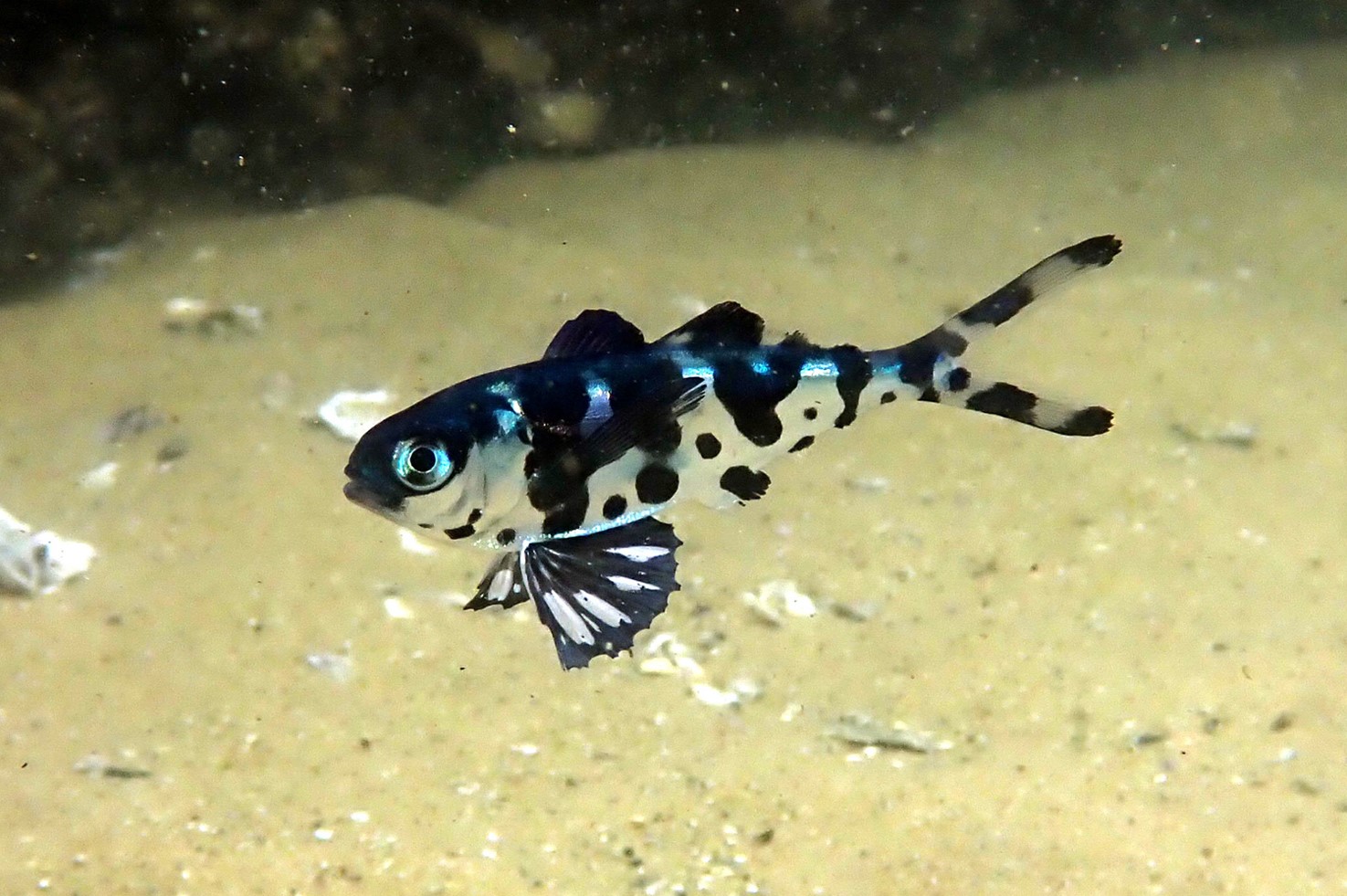
This animal lives in the deep pelagic zones of the Pacific, Atlantic, and Indian oceans, following where man o' wars can be found. They occur between 200 to 1,200 meters of depth, usually in higher waters. During reproduction, this fish will release eggs as the male, who is within the same man o' war, fertilizes. This can give between 100 to 1,000 offspring at a time, and these eggs are adapted to open water. After hatching (4-5 days after they are laid), these larvae will live in the open ocean, surviving off of plankton and zooplankton. This is until they find a man o' war and settle down at the top of the bell, where they will remain until more agile. Juveniles are between 5-15cm in length, and display a bright blue color that will fade in adults. Their lifespan lasts up to 5 years
Have a wonderful Thursday, everyone!