Date:Mon 6/24/2024 1:00 PM
Happy Monday, everyone! Today's fish of the day is the cookiecutter shark!
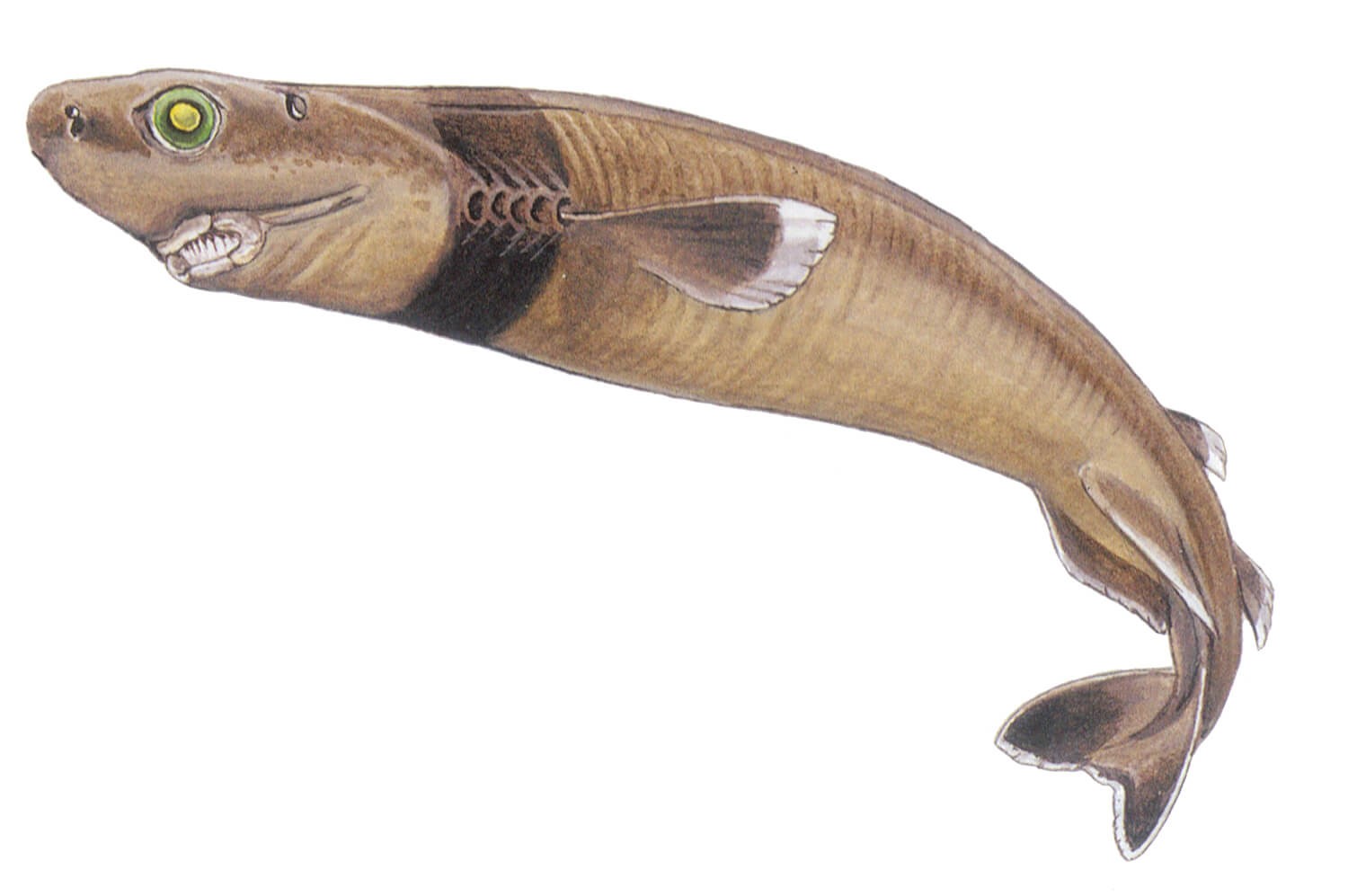
The cookiecutter shark, also known as the cigar shark, scientific name Isistius brasiliensis, is well known for their distinctive bite marks. Often referred to as "the leach of the shark world" the cookiecutter shark has an extensive diet. Any animal that is large enough to support a bite from a cookiecutter shark, can and will be bit. prey includes, but is not limited to: whales, dolphins, seals, dugongs, almost every shark that shares a range with cookie cutter sharks (great white, blue, megamouth, tigar, etc), bony fishes, squids and other soft bodied animals. That includes humans, and biting of humans by cookiecutter sharks rises every year.
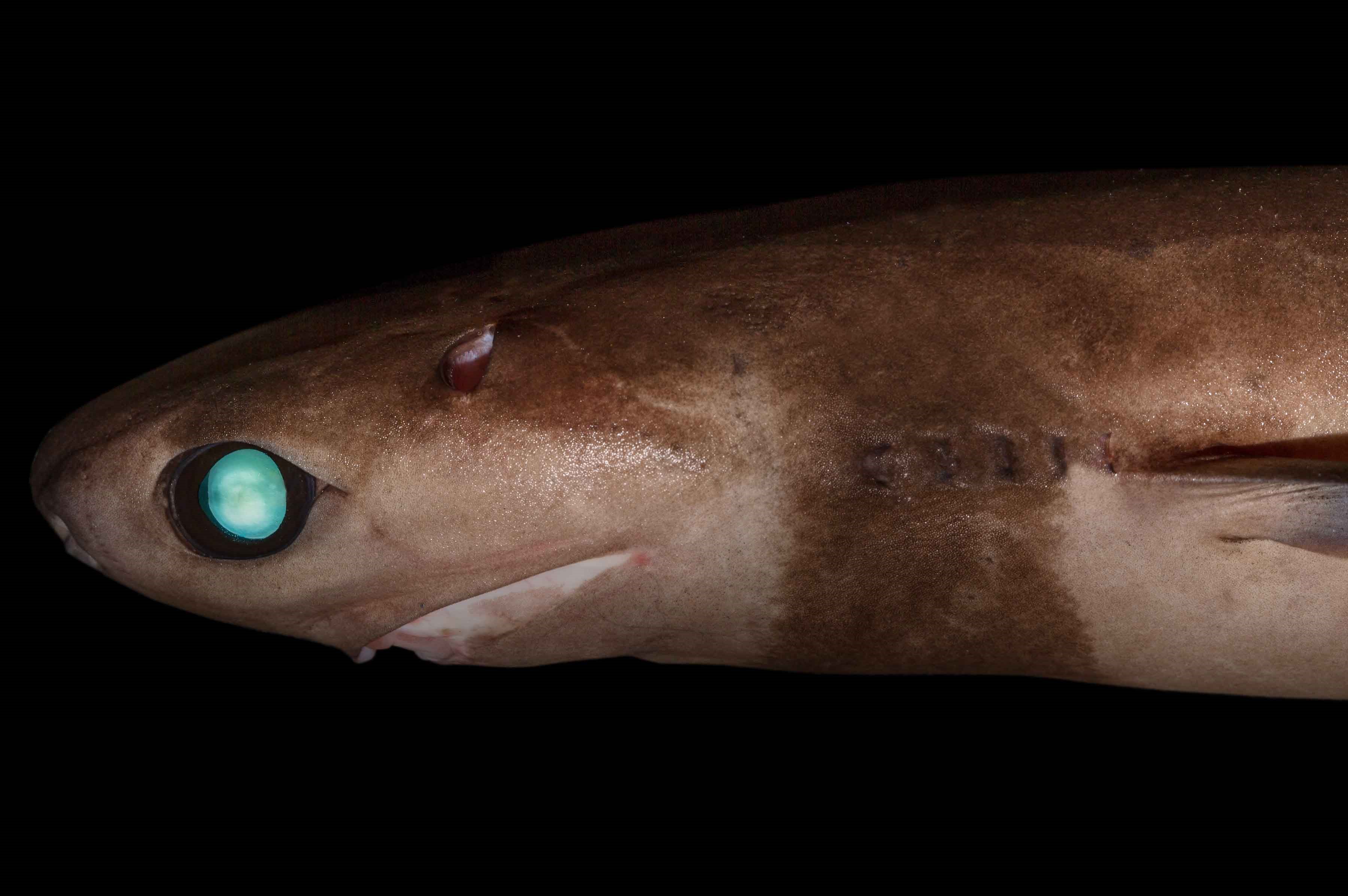
The cookiecutter shark is parasitic, leaving carter wounds that measure about 2 inches across and about 7cm deep into its prey. The shark can make these marks through several adaptations of the mouth. The spiracles, behind the eyes, close, and the tongue is retracted, to create a suction to their prey, sealing them together. Then, the shark will twist around, rotating the body in a circle, aided by a saw-like movement of the jaw, which moves the teeth back and forth. This is how they feed. This diet supports them getting as large as 17-22 inches in length.
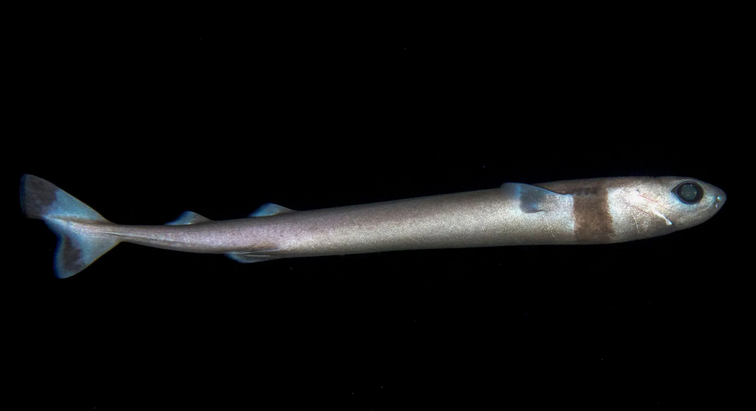
The range for these fish stretches from the latitude of 20 degrees North to 20 degrees South all across the world, although in the warmer seasons for each hemisphere they can migrate as far as 30 degrees North and South respectively. The cookiecutter shark prefers living near the equator, in tropical or warmer temperate areas. This shark takes place in diel vertical migration, a kind of daily migration that occurs at night where animals that tend to live in deeper waters come to the surface. The cookiecutter shark can travel up to 2 miles up and down in the migration each day!
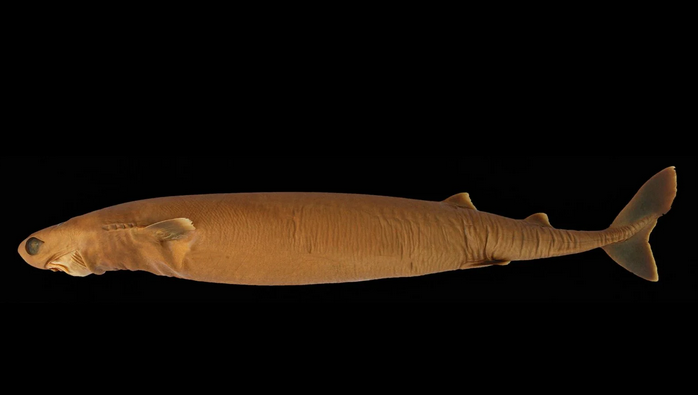
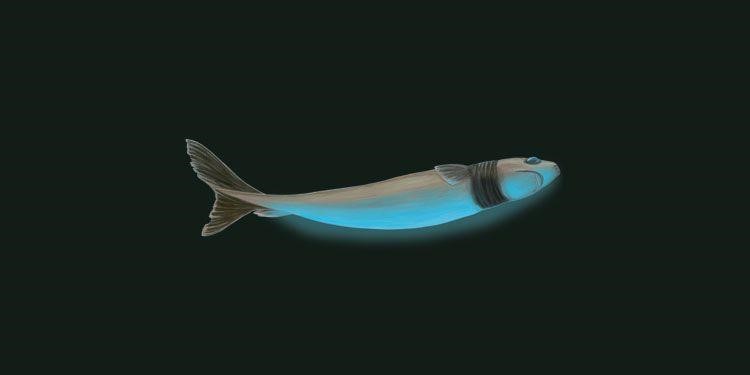
A smaller known fact other than this shark's feeding habits, is based on its bioluminescence! The cookiecutter shark has the strongest bioluminescence of any shark species known. A darker collar on the underside of the shark is thought to act as a lure for attracting prey. Their life is similar to that of other dogfish sharks, despite their many adaptations. A litter of pups bore at a time is between 6-12 and are gestated in the female by sustaining off of the yolk until birth. When born the bioluminescent collar is yet to form, and they are only 6-6 inches in length. Sexual maturity is achieved once they reach 14-15 inches in length, and it is unknown how long their lifespans are.
Have a wonderful Monday, everyone!