Date:Tue 7/2/2024 1:00 PM
Happy Tuesday, everyone! Today's fish of the day is the Australian angelshark!
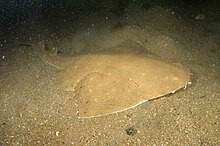
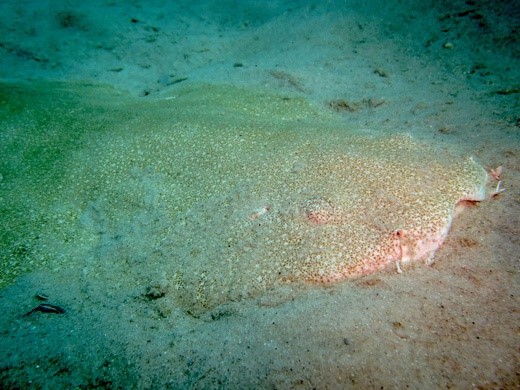
The Australian angelshark, known by scientific name Squatina australis, is a common coastal shark in Australia. The range of this shark stretches across the continental shelf of Southern Australia, from Western Australia to New South Wales. Living along the seabed, it survives at depths of 130-255 meters, or 430-840ft. This is where this shark will live on muddy or sandy seabed, which it uses to disguise itself, or seagrass beds, nearby rocky reefs where it will hunt.
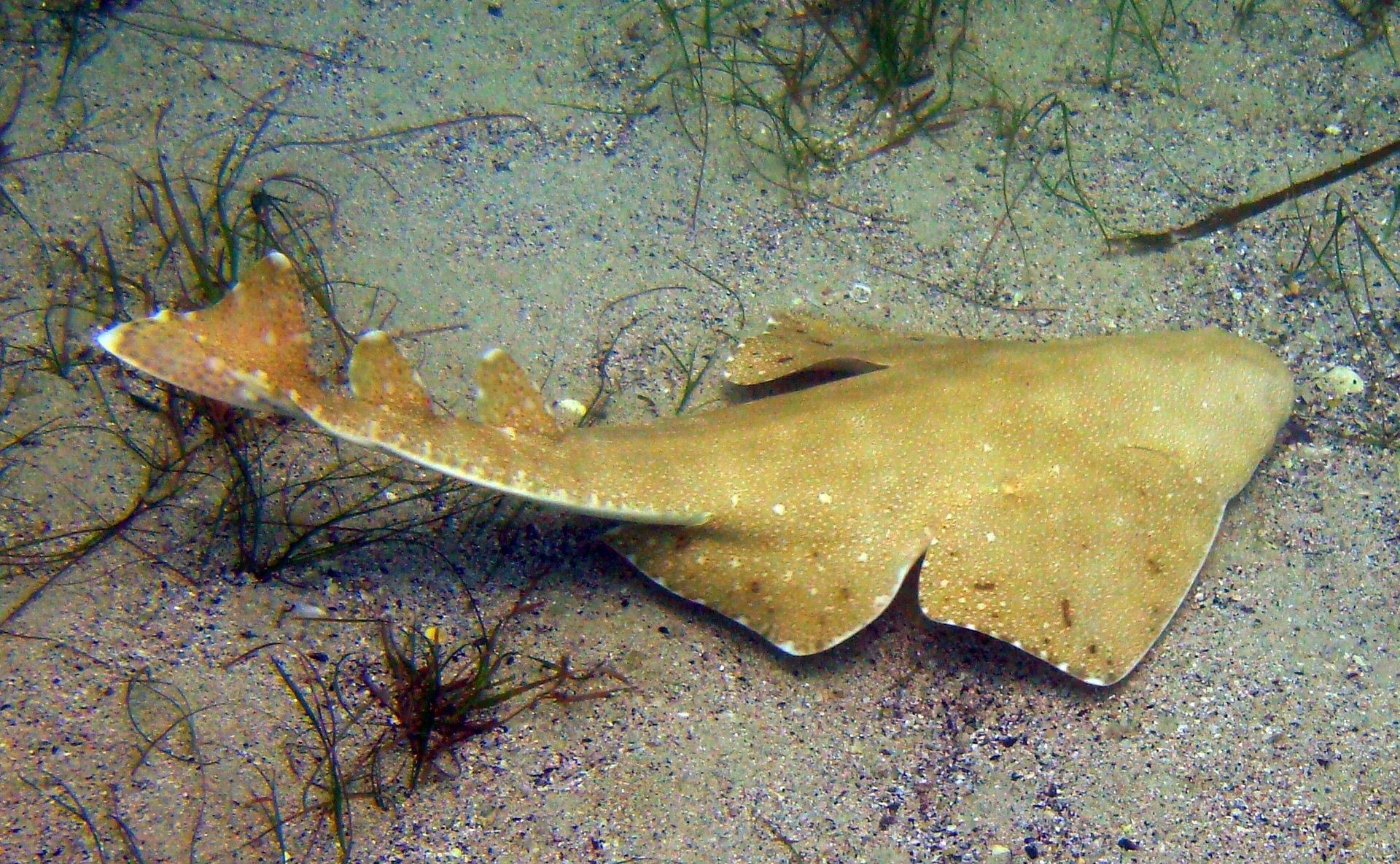
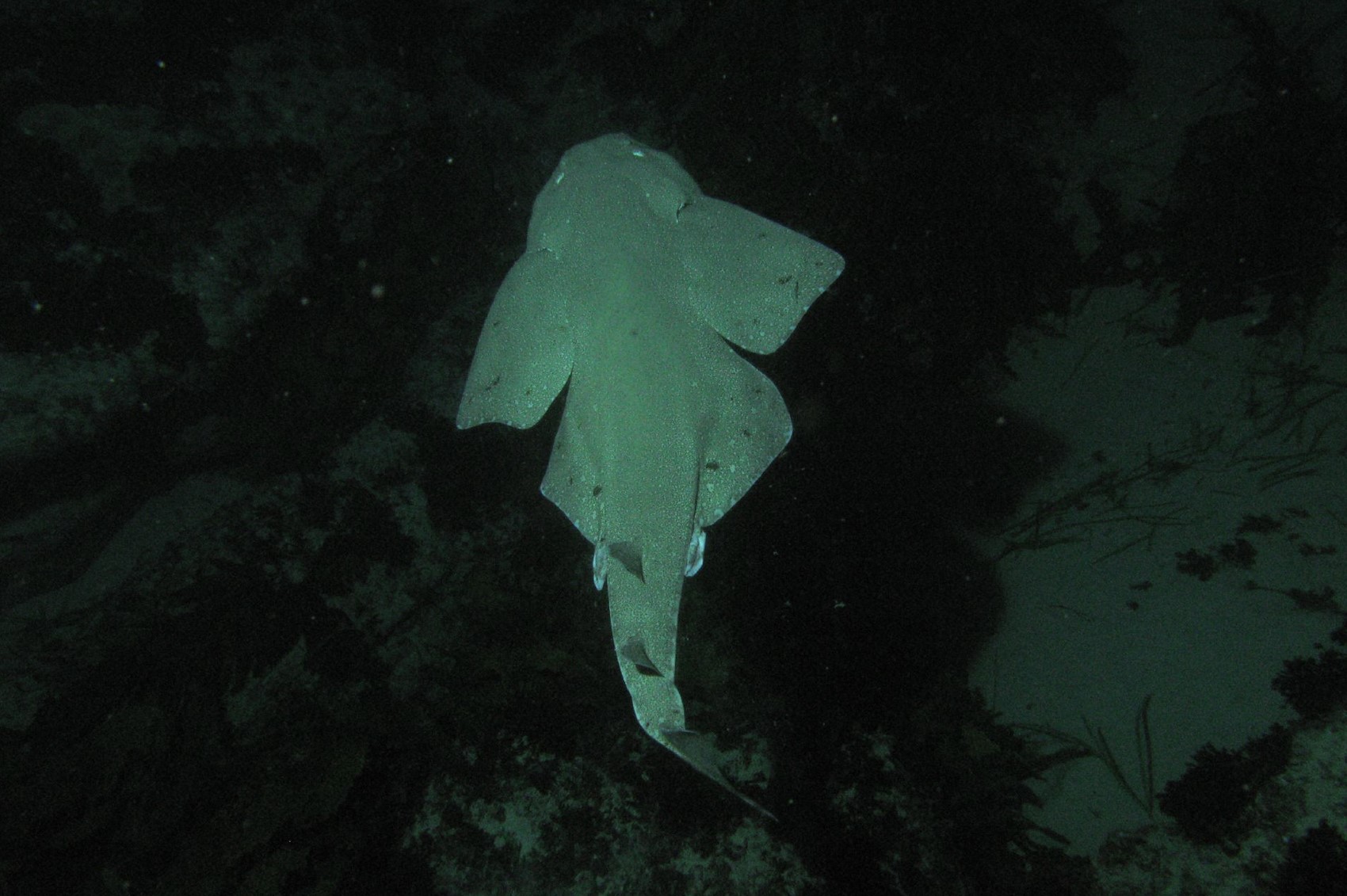
As a primarily nocturnal species, the Australian angelshark hunts in the night, searching for prey within rocky zones and reefs. The diet is made up of small fishes, crustaceans, and other invertebrates which it crushes between its sharp teeth. During the day, these sharks spend their time buried beneath the sand, hiding from potential predators, well remaining hidden from nearby prey, which it will lunge at once close enough.
These sharks, like other angel sharks, are ovoviviparous, meaning that the young survive off of the egg casing inside of the uterus of the mother as they gestate, and litters of pups can get up to 20 pups at a time. Other than this, little is known of the breeding habits of the Australian Angelshark, but due to their close relation to the Pacific angel shark, we can estimate they may gestate their pups for around 10 months. From what we know of pacific angel sharks, we can assume a breeding season takes place in May-July, and birthing is done from March-June of the following year. Sexual maturity of the Australian angelshark is achieved at 90cm in length for males, and 97cm in length for females, and they can get as large as 152cm in length total. Although we don't know the lifespan of the Australian angelshark specifically, most angel sharks live lives of 20-25 years, going through around 15 breeding seasons throughout their lifespan.
Have a wonderful Tuesday, everyone!