Date:Wed 7/10/2024 1:00 PM
Happy Wednesday, everyone! Today's "fish" of the day is the common loon!
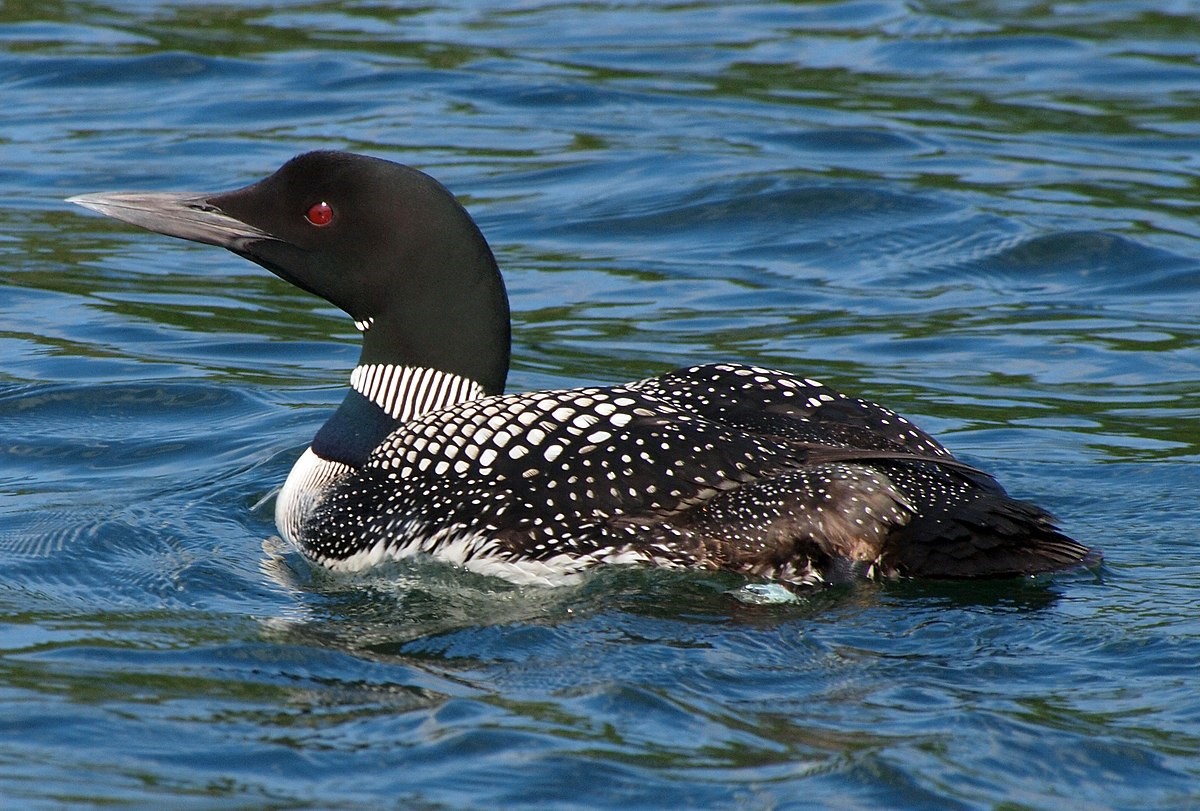
The common loon, also known as the great northern diver, and great northern loon, scientific name Gavia immer, plays an important role in the marine and aquatic ecosystem. During the summer, the natural range of this bird stretches from Northern Canada, Iceland, and Northern United States. The winter range however is much more widespread, Icelandic birds wintering along the Western coast of Europe and the United Kingdom, where North American birds winter anywhere from Southern Canada to the gulf of Mexico. In the summer, these loons live along freshwater lakes and ponds, breeding in the warmer months. In the winter however, these animals flock to coast lines, bays, inland lakes, and rivers, where they will remain with their chicks until thaw. They can be identified by their distinctive calls, such as, the tremolo, the yodel, the hoot, and wailing. Each of which hold a different meaning and are used to communicate to other looks within an area, or migrating party.
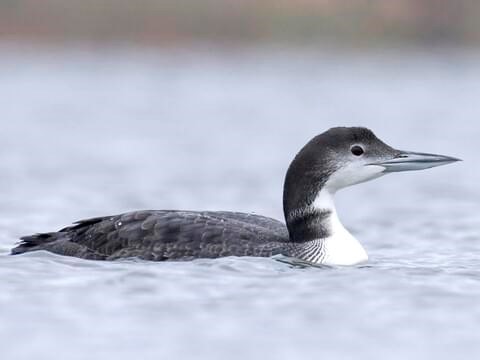
Similar to many other water birds, the common loon is equipped with many adaptations for better fishing. They can dive into water as deep as 60m of depth, searching for fish, as that is what makes up around 80% of their diet. They have large and webbed feet along with powerful legs, which makes them clumsy on land but proficient swimmers. Due to this, the common loon tends to land on the water when it stops flying, and opting to spend as little time on the ground as possible. They prey primarily on fish, with a mouth that can eat fish as large as 10 inches in length, which they swallow whole. When fish are not abundant, they also will eat frogs, crustaceans, small plant matter, and insects. When in a small area, common loons are known for chasing out other water birds in an area before settling in for a season, and are intensely territorial. These birds have few predators, but the list is composed of: bald eagles, which attack adults on occasion, but primarily target chicks and juveniles, sharks, and larger mammals when adults are nesting. Eggs are often taken when the parents aren't looking, and chicks are often eaten by large predatory birds, and large fish.
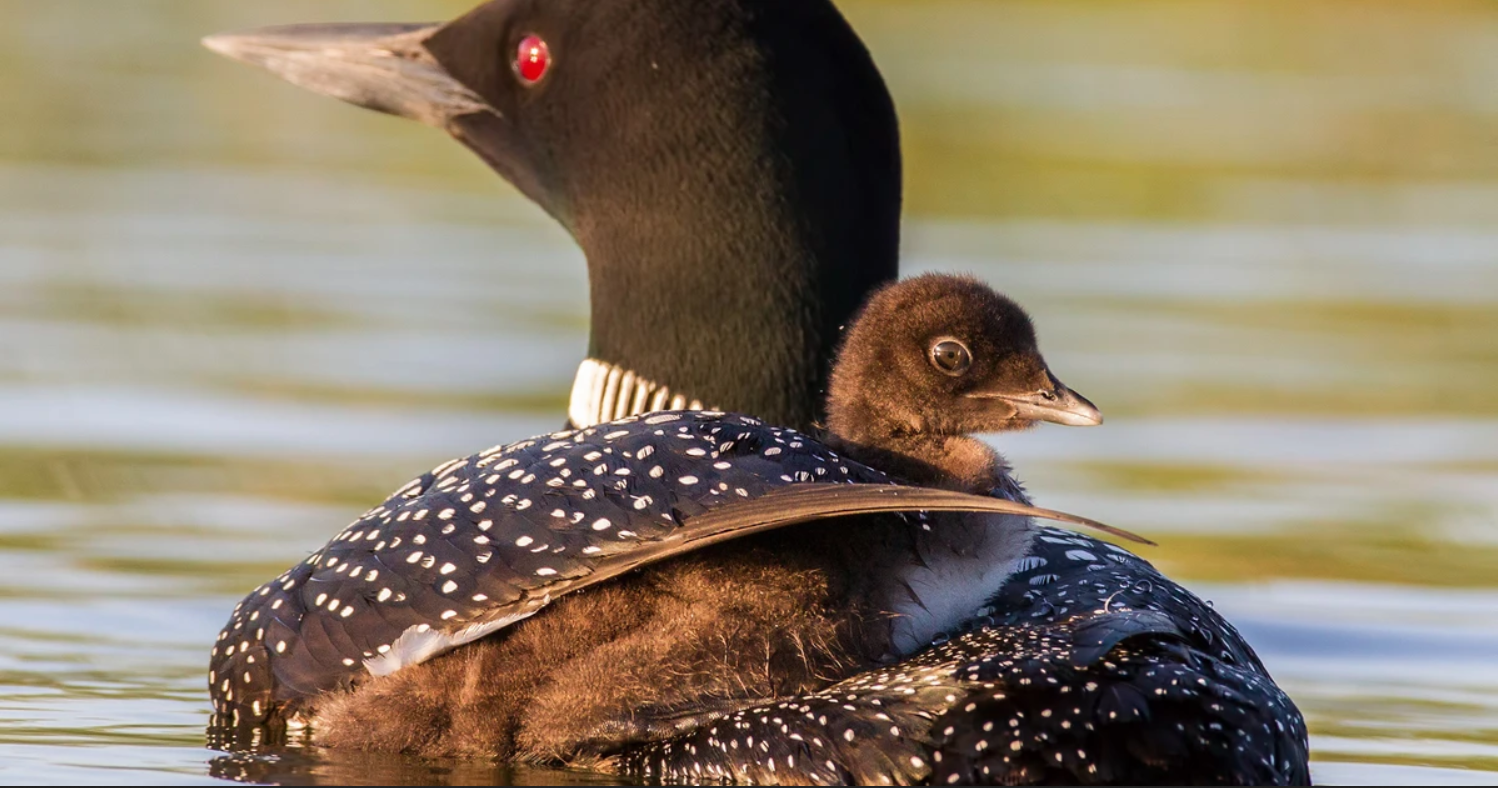
Common loons are monogamous, and will breed together over multiple breeding seasons, defending over a small or large lake is entirely their territory, which they will chase possible predators and other water birds out of. Only one or two eggs are laid in a season, and the eggs can be anything between pale-brown in coloration with darker spots. incubation of the eggs is 16-70 days in length, and nests are hidden along the lake edge in long grasses, in a quiet area. If a partner dies during a breeding season, the living parent will find another common loon of either sex who is unmated and raise chicks with them. Then after hatching, the chicks will swim nearby or ride along their parents backs, and will begin flying at 11-12 weeks after hatching. After migrating, juveniles and adults no longer interact, and the breeding adults will return to the same territory they claimed the year before. During the breeding summer, non-breeding loons will exist in groups along unoccupied lakes or other water sources. Maternity occurs at around 6 years of age, and this is when loons begin breeding, with an estimated lifespan of around 30 years in total.
Have a wonderful Wednesday, everyone!