Date:Mon 7/1/2024 1:00 PM
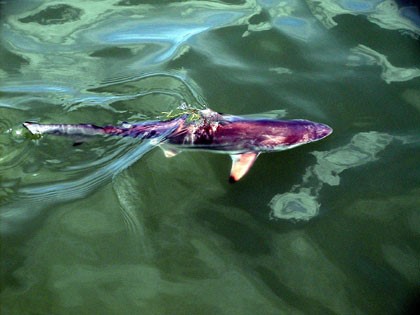
Happy Monday, everyone! Today's fish of the day is the blacktip shark!
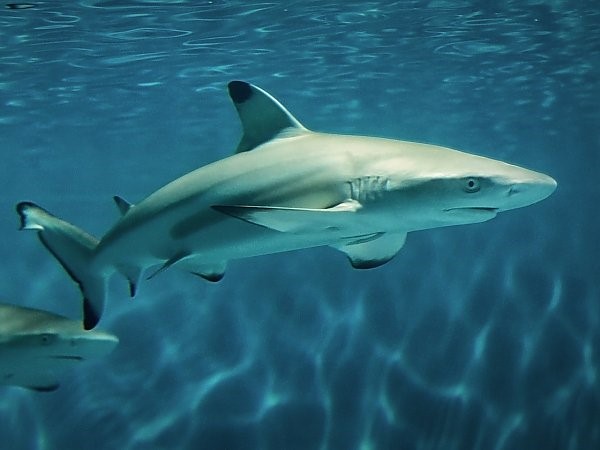
The blacktip shark, scientific name Carcharhinus limbatus, is a common coastal shark. Coming from the Carcharhinidae family, this makes these sharks "requiem sharks" relating them to many other sharks in a similar area. Found worldwide in the tropic and subtropic, this shark has multiple populations spread across the pacific and atlantic coasts, the mediterranean sea, Canary islands, Galapagos islands, and Indian ocean. This shark is in water less than 30 meters of depth (about 100 feet of depth) along the continental shelf, they prefer to live along areas with murky waters, island lagoons, coral reef drop offs, and murky bays. They will also tolerate low salinities, being found on occasion within estuaries and swamps. This species is known to migrate seasonally moving north in the summers, and south in the winters to be in their prefered temperatures.
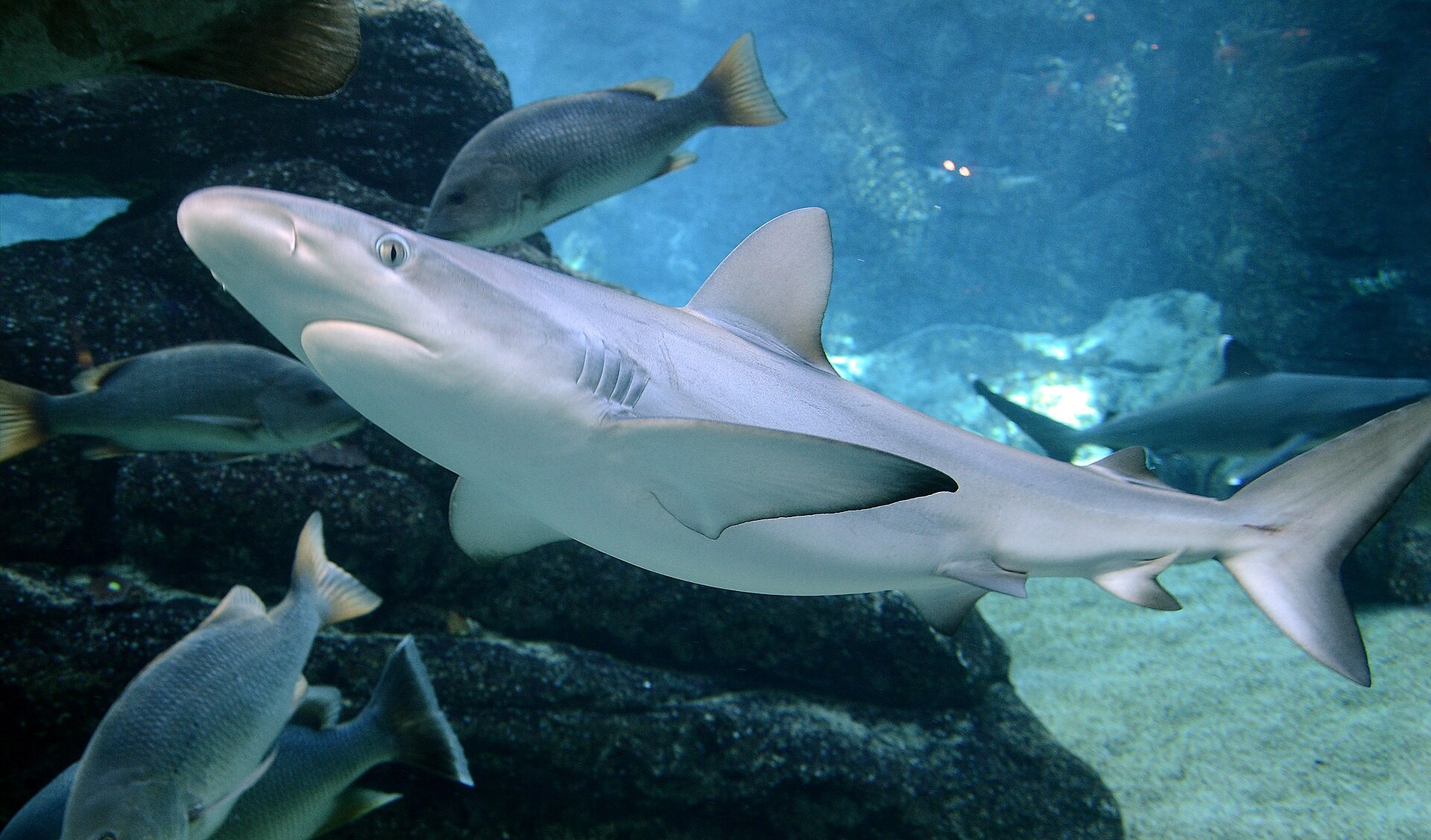
Similar to many others within the Carcharhinidae family visually, the black tip shark can be identified by the black tips along the pectoral, pelvic, doral, and caudal fins. One of the behaviours that gets these sharks mixed up with their relatives is spinning. Like the spinner shark, the blacktip shark is known to complete a corkscrew motion, launching itself out of the water as fast as 21ft/second. THe shark, once above water, will then rotate along the axis 3-4 times before landing. It is thought that this behavior is used to dislodge sharksuckers. Another behavior of blacktip sharks, is an agnostic display, which is a response to when threatened or challenged. The blacktip responds by swimming toward its competitor, rolling side to side and making sideways biting motions.
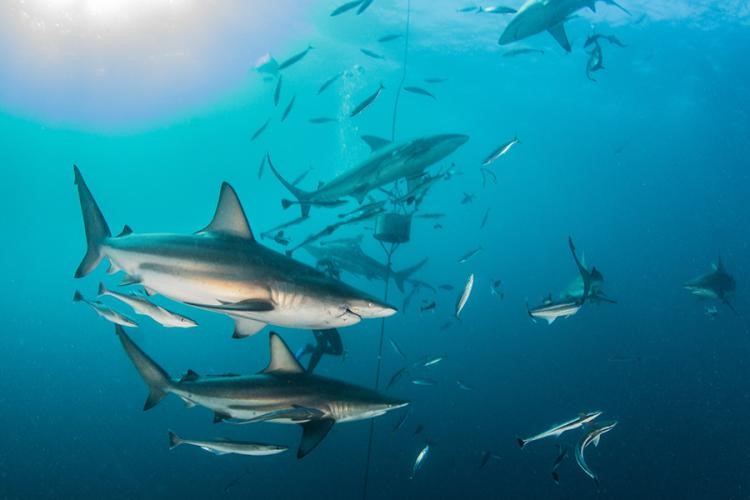
Similar to other requiem sharks, the blacktip shark can get as large as 9.2 feet maximum, but are usually only around 5 feet in length. The diet of the shark is made primarily of fish, and they will eat any fish they can catch within their range. IN addition to the fish, they will also eat other sharks, crustaceans, and cephalopods. Hunting occurs at the busiest times underwater, dusk and dawn, and although they do not always do this, blacktips will form feeding frenzies when large amounts of food are available. On the other side of the coin, the blacktip shark has no known predators as adults, but they do have several small crustacean parasites, which infest the gills.
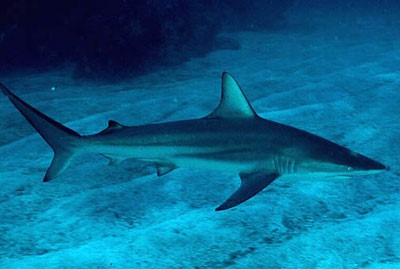
The life of the blacktip sharks begins in swamps. The blacktip shark is known for having one ovary and two uteri, only one of which is used at a time, and sharks will get pregnant every other year after reaching sexual maturity. During the early summer or late spring blacktip sharks breed, and a total of 4-7 pups will then gestate for about a year, before being born in shallow coastal swamps, only 22-24 inches in length. These swamps are referred to as nurseries, and this is where the juveniles will spend the first months of their life, until early winter when they will migrate south.When older, these sharks will return to these same nurseries to have their children. Sexual maturation is then reached in these sharks at 4-5 years in male sharks and 7-8 years in female sharks with a total lifespan of 12 years on average, with the longest surviving blacktip living to 15 years.
Have a wonderful day, everyone!