Date:12/2/24
Happy Monday, everyone! Today's fish of the day is the Siberian sturgeon!
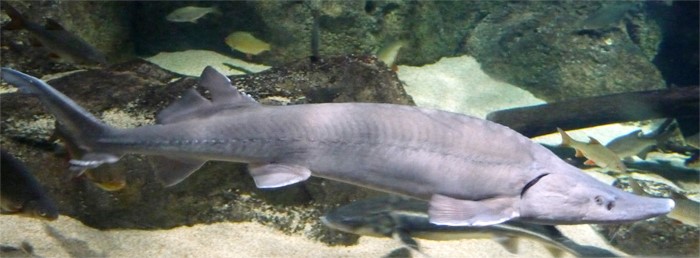
The Siberian sturgeon also known by scientific name X is a well known freshwater fish and popular in hobby pond trade. Found, as the name implies, around Siberia, Russia, China, And most other North Eastern European and Western Asian countries. In particular, this fish is found in the Siberian river drains of the Ob, Yenisei, Kolyma, Lena, and Kazakhstan rivers, draining toward the Kara sea, Laptev sea, and lake Baikal. These fish, like other sturgeon, spend their time concentrated around the surface of the water of freshwater lakes and rivers in freshwater or brackish areas living in a pH of 7.0-7.5 and temperatures of 1-19°C. However, unlike many other sturgeon, Siberian sturgeon are entirely freshwater and do not migrate to the sea or ocean in their life cycle, except for some specific populations.
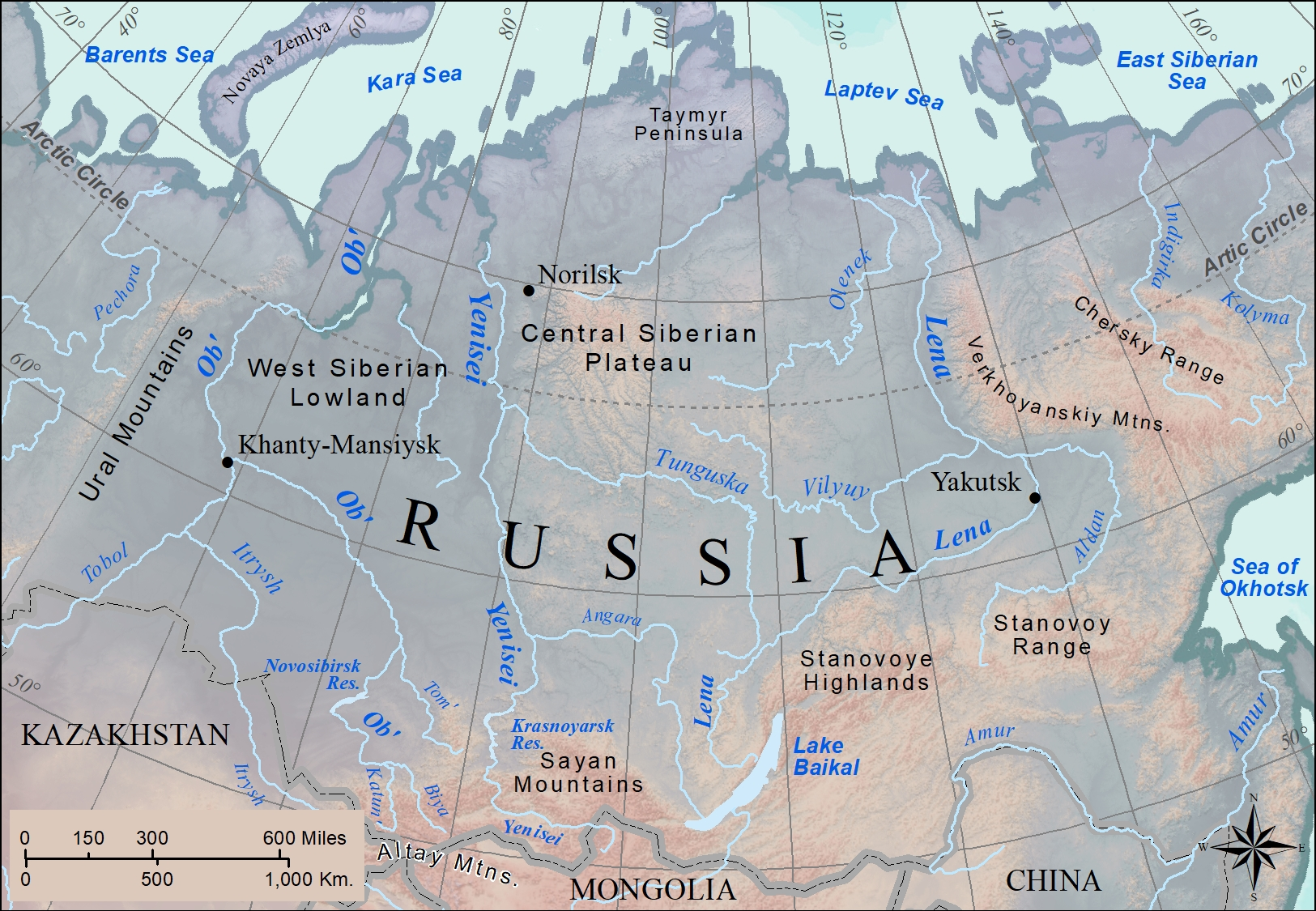
Speaking of populations, this fish was once believed to have several subspecies. The first was called A. b. baeriiand was called the Siberian Sturgeon and makes up around 80% of the current population. Known for living along the Ob river and all offshoots, when the waters cool enough to freeze in areas and the oxygen levels lower along the river, these sturgeon will migrate to the mouth of the Ob river, where there is a much higher dissolved oxygen amount. The next proposed subspecies is the Baikal sturgeon, A. b. baicalensis, can be found in lake Baikal (the deepest lake in the world, and occasionally believed to be the deepest water source in the world, and containing around 25% of all freshwater, and the only exclusively freshwater seal) of whom migrates up to the Selenga river when spawning during the summers. And lastly, A. b. stenorrhynchus, the Eastern Siberian sturgeon. This fish population has two distinct life cycles in their younger and sexually active years, these fish will migrate upwards of a thousand kilometers to spawn, and then as they age another lifecycle where they are entirely non migratory. This of course is now known to be a monotypic species and that each of these are rather unique population of Siberian sturgeon rather than subspecies.
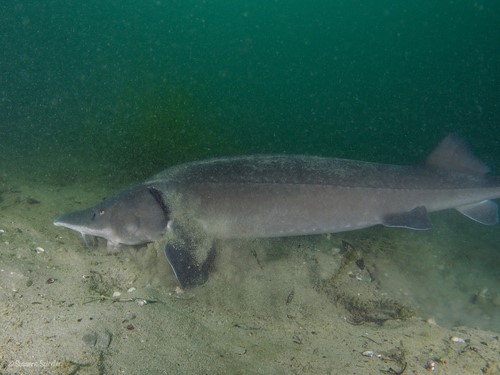
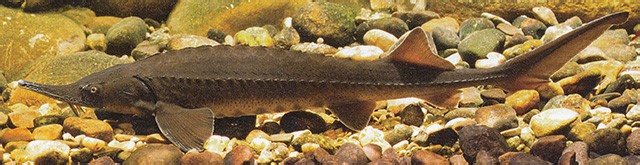
Their diet is made up of crustaceans and larvae in the wild, but in farms where they are raised for caviar and meat, these sturgeon are fed with meat and biomass pellets, very similar to the way that trout and salmon are farmed. When they reach maturity, at an age of 11-20 years (although this can be as low as 6 in farms due to different feeding and hormonal mixes) these fish can get as large as 2 meters (6'6 in feet and inches) and weigh as much as 450 pounds. Once they reach this maturity these fish will breed in the summer months, although individual fish only breed every 2-5 year depending on age. These fish will spawn in areas of clear water, abundant gravel, and strong currents for the eggs to travel in. These eggs will then settle along the gravel and hatch into larvae over the span of around 2 months, then continuing the life cycle. The Siberian sturgeon is referred to as long lived, not near as long as some of their relative sturgeons who can live upwards of a century in some cases, but can survive into their 60's, participating in around 15 breeding seasons throughout their lifetime. This lifespan is often cut short by the many poachers however, along with habitat loss due to dams, and degradation due to pollution, putting these fish at a risk of extinction of wild populations.
That's the Siberian sturgeon everyone, and my apologies for the missed emails last week after promising that I would work on them, I underestimated the time I would have over the break by a longshot. Regardless, everyone have a wonderful Monday, and a great rest of the week!