Date: 10-31-24
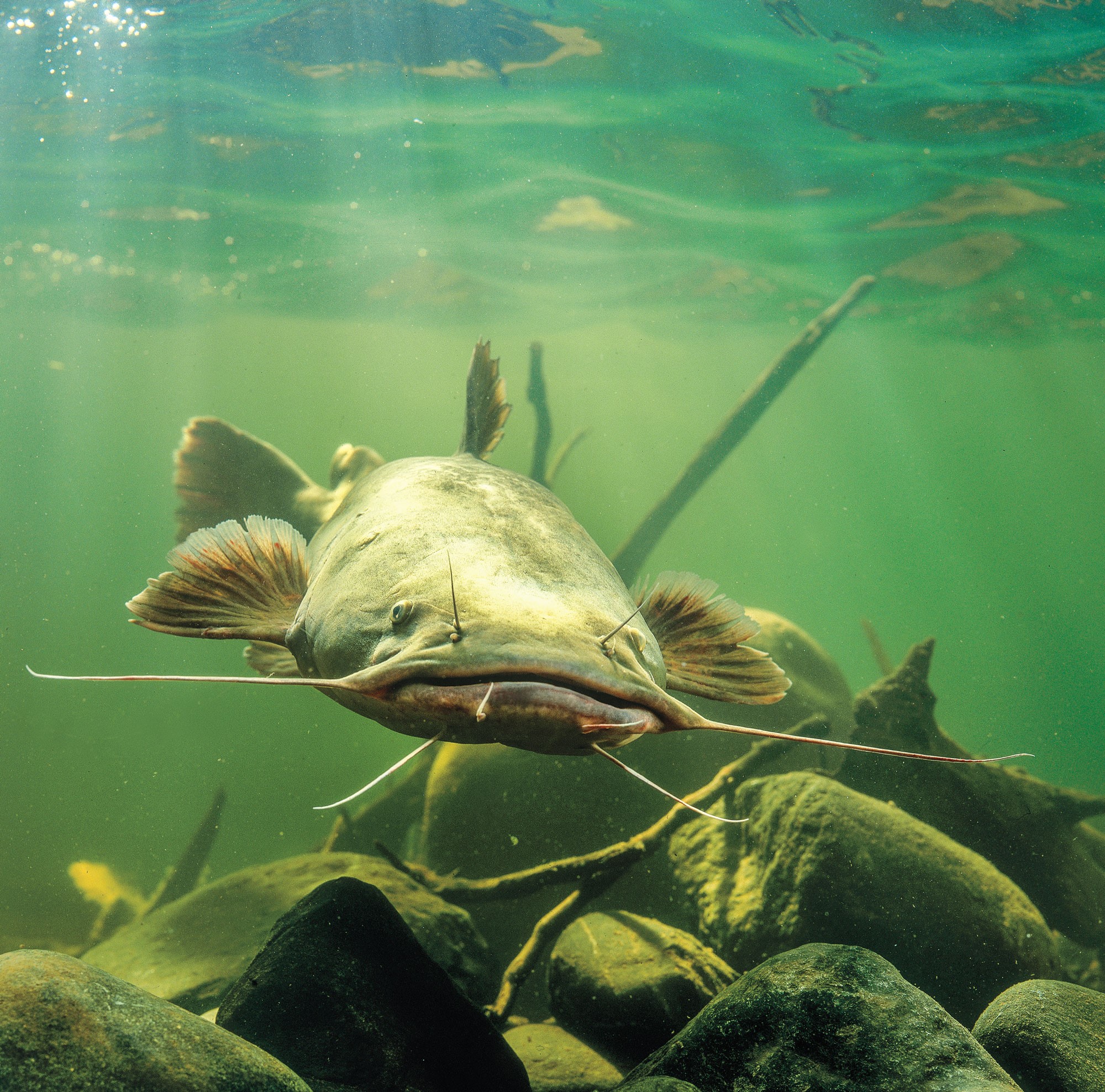
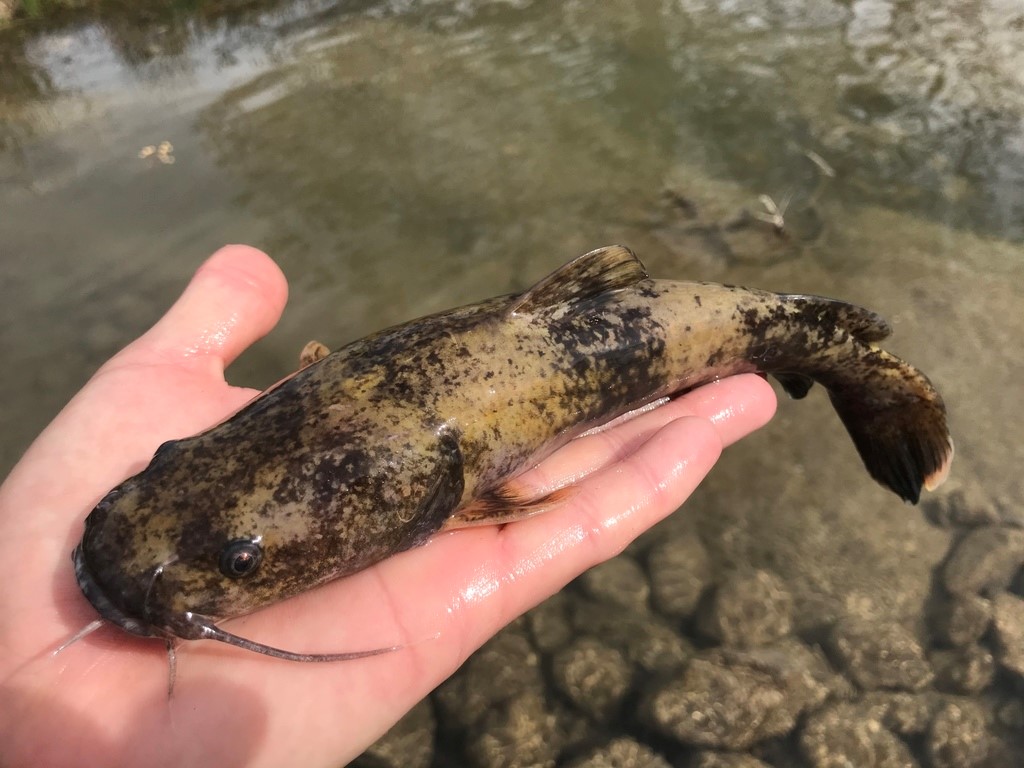
Happy Thursday, everyone! Today's fish of the day is the flathead catfish!
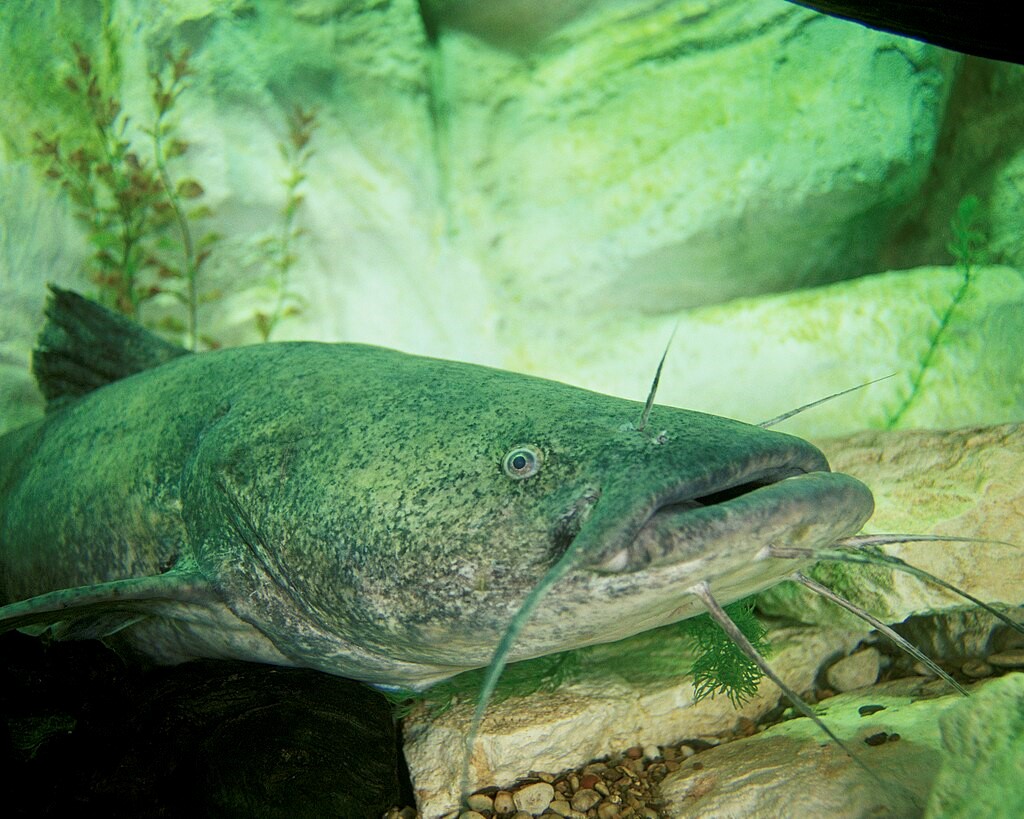
The flathead catfish, known by scientific name Pylodictis olivaris, is well known for being a large freshwater fish in North America. Living across the United States, the range of the flathead stretches from the Appalachian mountains to the Pacific coast. Mostly found in the Ohio, Mississippi, and Missouri river basins, but with thriving populations down as far south as Northern Mexico. Within these environments, this fish prefers to live in larger areas, tending to stick to bigger rivers, where prey is more plentiful. The flatheads are benthic, spending their time along the river bed, preferring areas with slow currents, warmer waters, areas with steep banks, and overhanging vegetation to hide beneath.
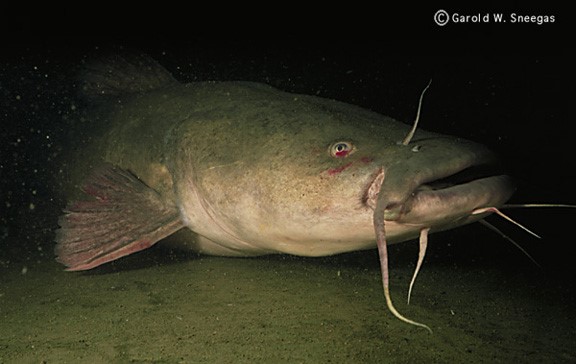
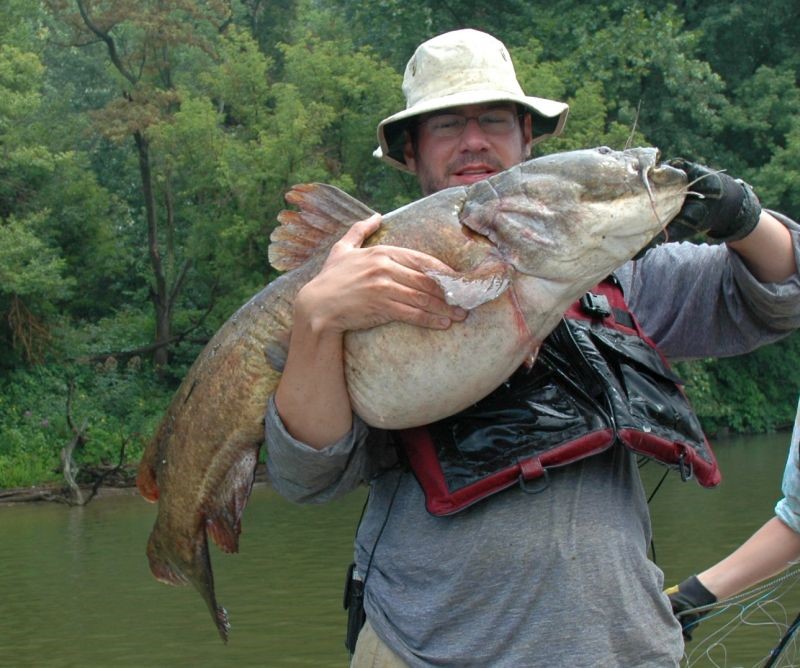
Flatheads are known for their voracious and cannibalistic diet. Consisting almost entirely of fishes, the flathead prefers live vertebrate prey, including their own siblings. Although, the diet is supplemented by various worms and freshwater crustaceans. When fry, the flathead eats primarily insect larvae, until it grows to a size of 4 inches, at which point it will begin hunting smaller fish. Hunting is done in active chasing, rather than the common perception that these fish lie in wait for food to come close before lunging. Hunts occur at night, when many flatheads congregate in a handful or areas with deeper water. The eyes of the flathead are on the top of its head, waiting until it spots preyabove before it begins its chase. With their diet the flathead can reach sizes as large as 61 inches in length.
The lifecycle of the fish is like most others. A breeding season occurs in late June-Early July, as the male catfish find downed structures, mainly logs, to nest in. The female will lay an average of 100,000 eggs in this nest, where the male will spend until hatching fanning them with the caudal tail so they can get needed oxygen. After hatching, all flatheads are off on their own, and incredibly competitive, of those who survive long enough they will become sexually mature themselves anywhere from 3-6 years of age. After this, their lifespan will last anywhere from 19-28 years, before inevitably dying of old age and slowing body functions, if not eaten by a larger fish or other flathead catfish first.
That's the flathead catfish, everyone! Have a wonderful Thursday, and a happy Halloween, stay safe!