Date: 10/30/24
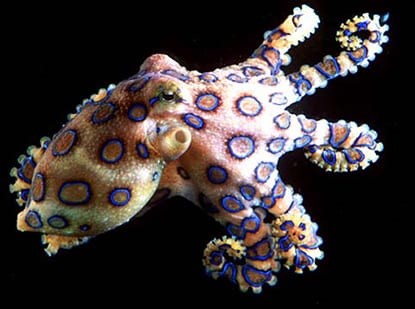
Happy Wednesday, everybody! Today's fish of the day is the Southern blue ring octopus!
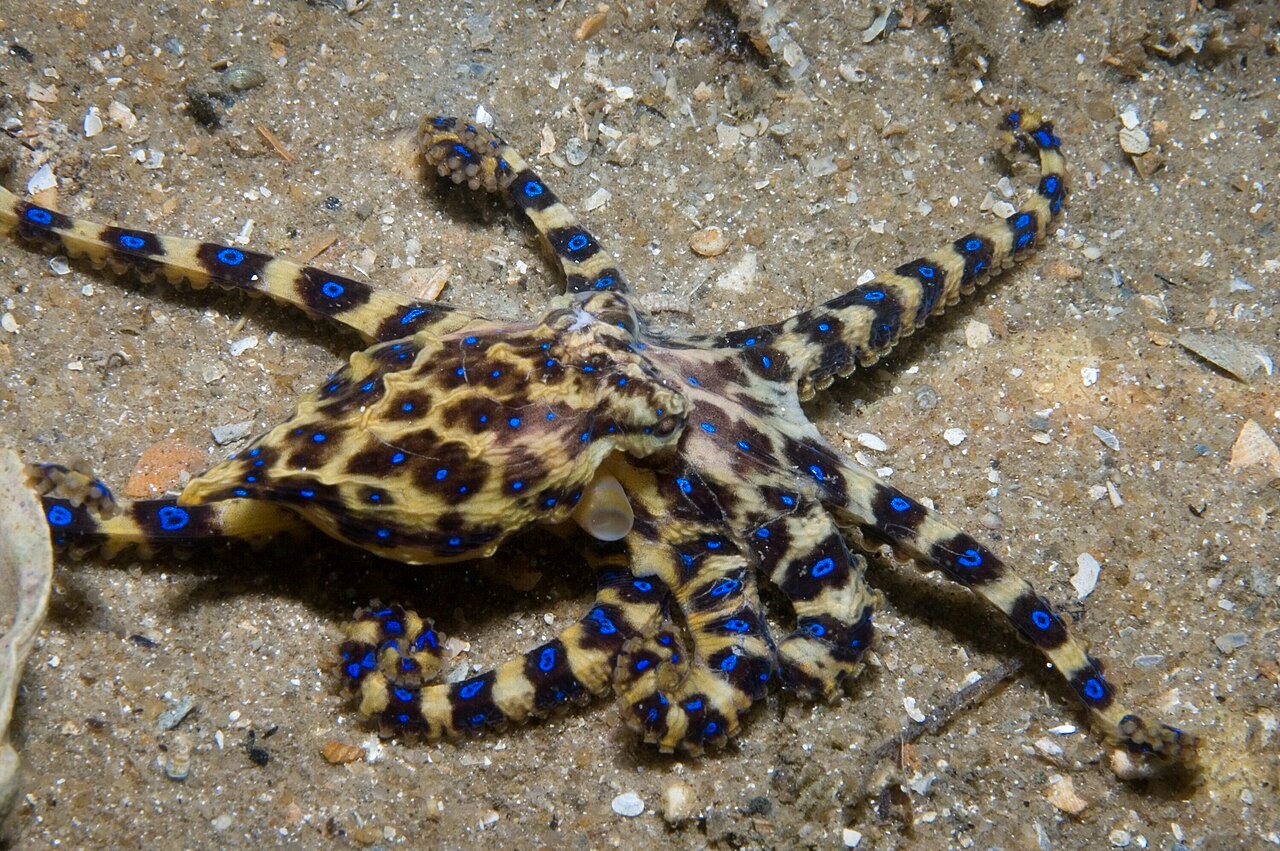
The Southern blue ring octopus, also known by scientific name Hapalochlaena maculosa, is well known for how venomous they are, and the vivid colorations that warn of it! The Southern blue ring octopus is one of the four species of blue ring octopi on this earth, the Southern blue ring octopus in particular is the only lesser blue ring octopi, as opposed to the other greater octopi, which are smaller in size but have far larger blue rings when threatened. Despite the differences between the Southern blue ring and the other, greater blue ring, they all live in the same general area. With the entirety of their genus spread out across the Eastern Pacific and Indian oceans, the Southern blue ring is no different, living along the Southern coast of Australia. In this environment, the octopus lives and hides within the crevasses and cracks of the rocky Australian reef.
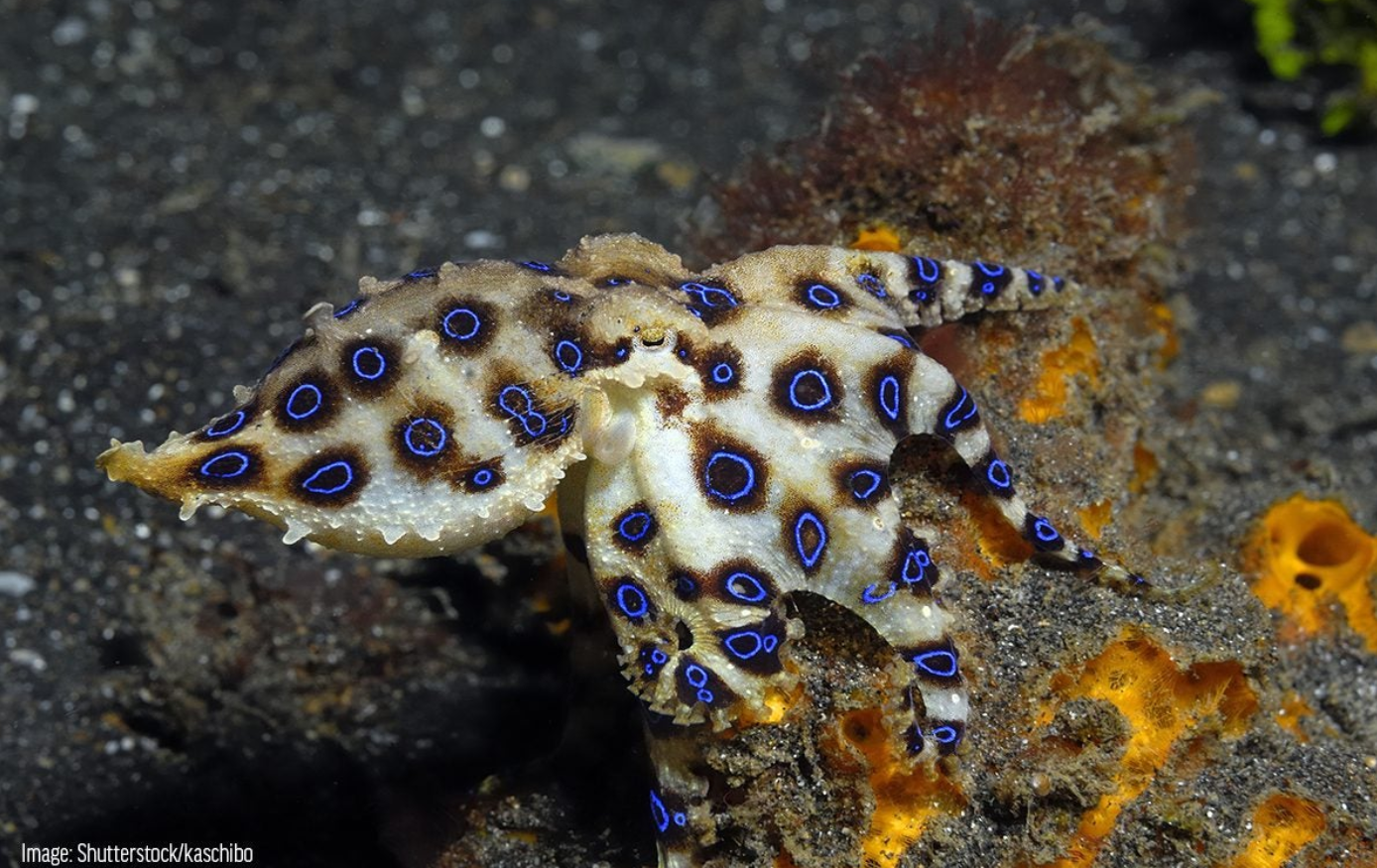
Camouflage is very important to blue ring octopi, and this is the same thing that allows them the bright colors to warn off predators. Like many other species of cephalopods, blue ring octopi take advantage of dermal chromatophore cells, which respond to stimuli to create different colors on the skin of the animal. When threatened, the octopus will make an average of 60 bright blue rings across its form, taking as little of a third of a second. This is done by the relaxing and tensing of muscles around the shape of the ring. In greater blue ring octopi this muscle contraction also has layers of iridophores light reflectors, allowing for the blue marks to be projected further in the water. These are the only warning of the great venom these animals contain, tetrodotoxin, a neurotoxin which binds to voltage-gated sodium channels, preventing action signals from the brain to be transmitted to the body. This is because the body uses many cells which contain a certain voltage to them, and when sodium enters the cell in large amounts (as happens anytime you voluntarily move) when the voltage in the cell rises to the correct level, it triggers for the sodium channels to open in the cell next to it. This is how signals travel in the body, and how tetrodotoxin paralyzes by binding the chanels. We still don't fully understand how the poisoning works fully, as this toxin is stored in a small salivary gland in the octopus and is present in the bloodstream, this is either injected into the water or transmitted via bite. At this time there is no antivenom, but it is relatively easy to not be injured by this squid! So long as you leave them alone, they do not attack!
With all the coolest features of this animal covered, let's discuss the more mundane things. The diet of the Southern blue ring is made up of various curseceans and small fish, many of which they can hunt when the greater blue ring can not. This is because the Southern blue ring is the largest blue ring, with a whopping size of 5cm long mantle and 20cm arm-arm, a full 5-10cm larger than all other blue rings! Hunting is done by releasing the venom as a mist into the water, paralyzing prey before eating it. Their lifespan is incredibly short, lasting only 7 months on average, and mating only once in their lifetimes. The first 6 weeks of their lives will be spent growing rapidly, already nekton, as unlike most invertebrates blue rings have no planktonic stage. After these 6 weeks the blue rings can begin appearing when threatened, but the venomous trait is there from birth even without the rings presence. Mating will begin sometime with 3-5 months, and females will collect and store sperm from several partners, later choosing which male she will fertilize her eggs with. Then, there is a two month long period where she carries the eggs with her constantly, spending most of her time hiding, and moving only with 2 tentacles across the sea bed. Once these eggs hatch, the mother will pass away, leaving only her children behind to begin the cycle anew.
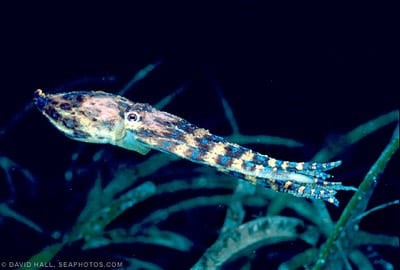
That's the Southern blue ring octopus, everyone! Have a wonderful Wednesday!