Date:10/21/24
Happy Monday, everyone! The "fish" of the day today is bullwhip kelp!
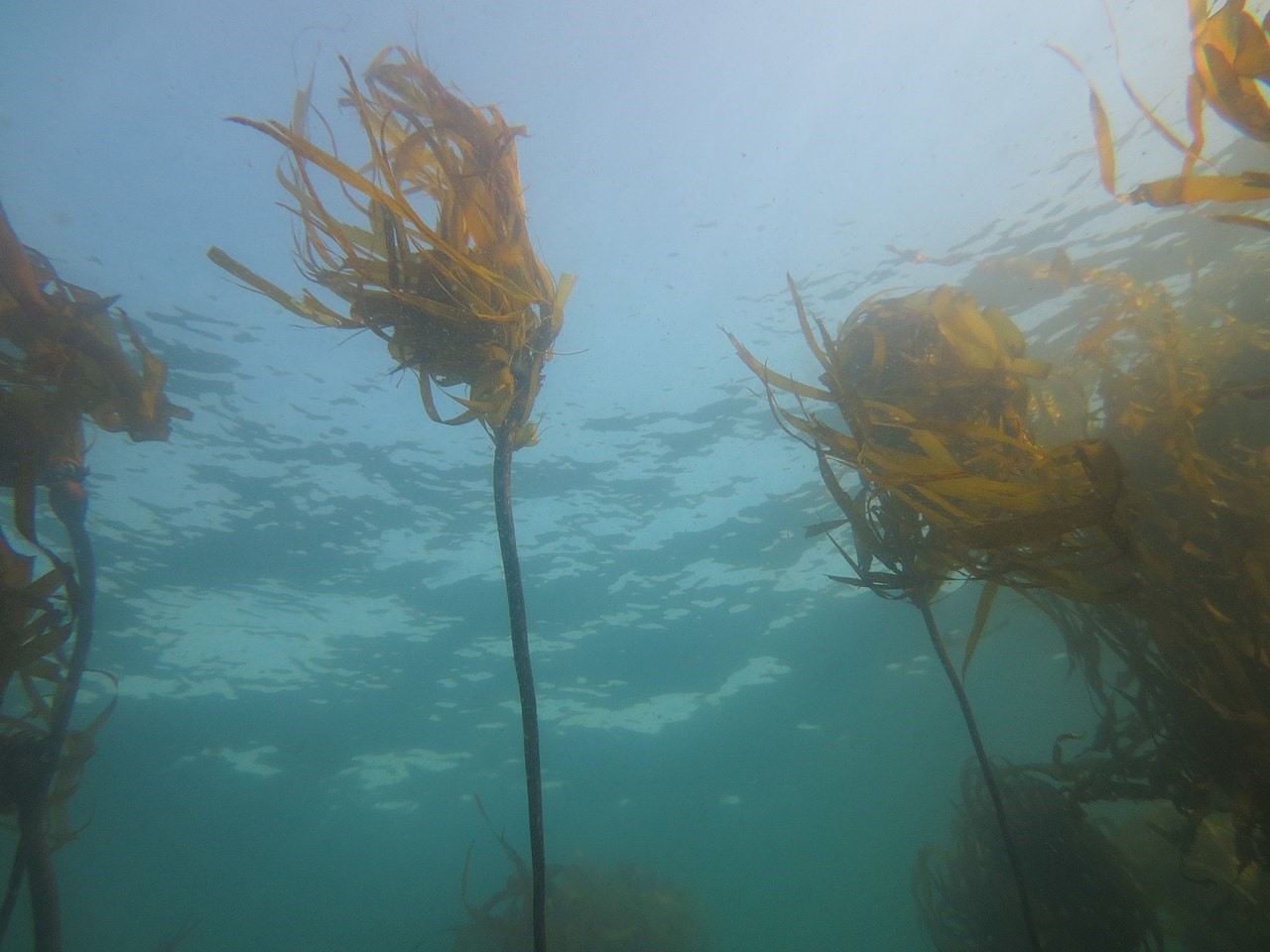
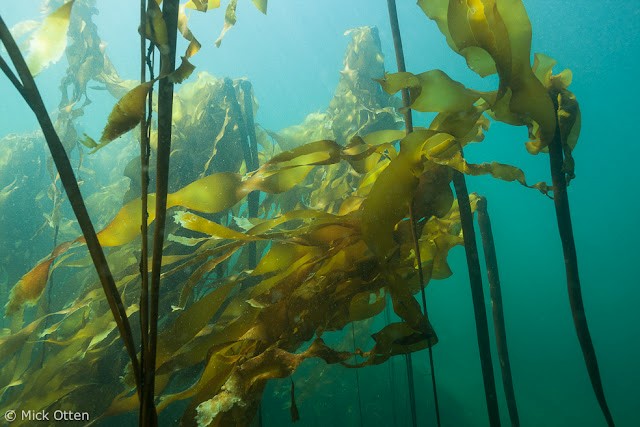
Bullwhip kelp is a monotypic family, so its scientific name is simply Nereocystis. As a species of kelp, bullwhip kelp is neither a plant nor an animal, but rather is a protist (a protist being any multicellular organism that is not a plant, fungi, or animal) related to and considered a kind of algae. This particular kelp is known by many names, bull kelp, bullwhip kelp, bladderwrack, and edible kelp to name the ones I found. Bullwhip kelp is the most widespread, however this is confusing as the bullwhip kelp is not a part of the Southern bull kelps, which is a whole family of its own found in New Zealand, South America, and Antarctica. Bullwhip kelp, known primarily for their location along the Pacific coast, stretches from the Aleutian islands of Alaska, down to the Southern most sections of South California. Likely common to many of the readers of this email, it is found washed up on the Oregon, Washington, and California coastlines regularly.
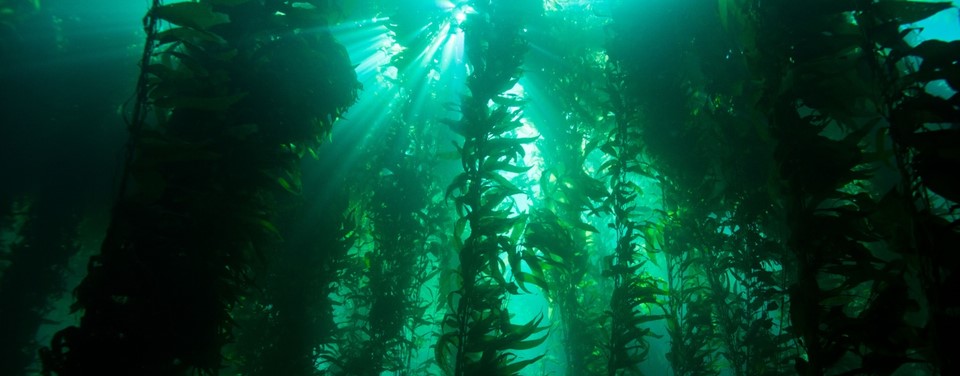
Now, as these emails are mostly focused on fish and other aquatic animals, I will spend a moment focusing on information about kelp itself. As previously mentioned, kelps are protists, belonging to the Laminariales order, which is made up of certain kinds of brown algae. The Laminariales order is found in the Phaeophyceae class, which consists of all brown algae and makes up kelps and some seaweeds. The difference between the two being that kelp is larger and more complex than other seaweed brown algaes, along with requiring more nutrient rich waters and only living in cooler environments. This is opposed to seaweeds which are broad, diverse, and able to stretch into environments kelp cannot.
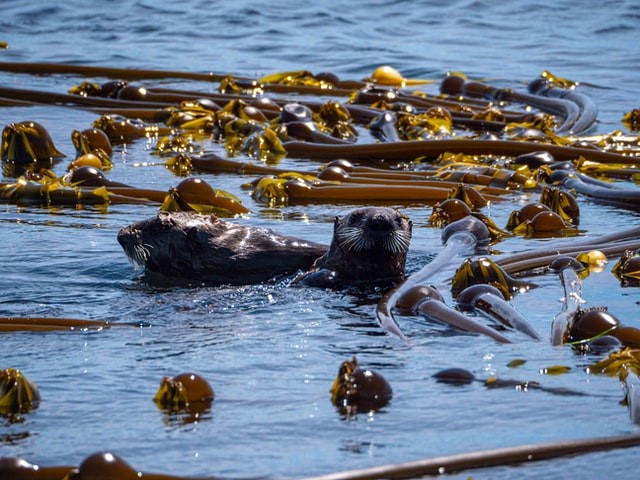
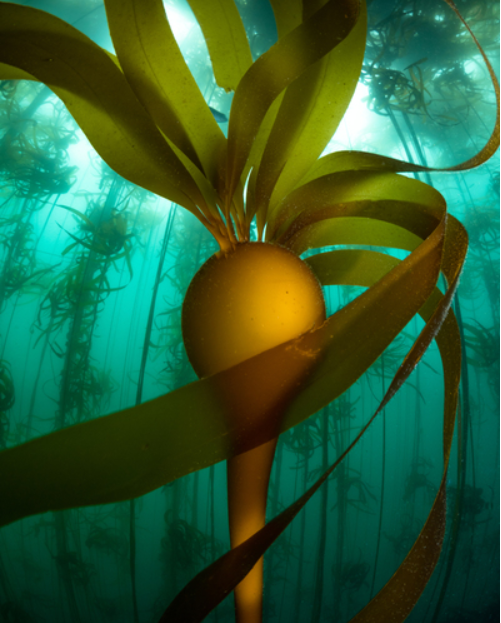
Kelps are made up of structurally complex bodies involving certain plantlike features. A root-ball like structure at the bottom, called a holdfast, acts as a living anchor for the entire organism. The difference between plant roots and the holdfast however, is that it acts as purely anchoring, and does not provide any nutrients to the organism itself. Upward from there is a long and thin section of kelp referred to as a stipe. The stipe of the organism is hollowed out and filled with a series of gases, but the main one is carbon monoxide, making up ten percent of all gases within kelp. These gases are used in the kelp to suspend itself, this gas is held within the rounded pneumatocyst, which some kelp several of. Sprouting from the pneumatocyst are flat sections called blades, these blades are held as close to the surface of the water for photosynthesising, although a 2020 study found that these blades often evolved specific shapes to best increase drag in the water, allowing better interception of light. This is the basics of kelp structure.
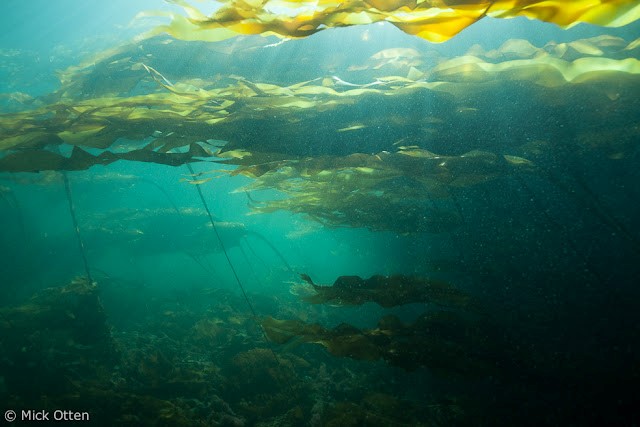
Focusing once again on bullwhip kelp, it is known for being some of the larger and faster growing kelp species. Growth occurs in the space between the stipe and the blades of the kelp itself and during the summer growth months there are times where a single stalk of kelp can grow as much as half a meter in a day! They can grow to a maximum length of 36 meters, or 118 feet (stipe and blades), with the blades alone getting 10 meters in length (33 feet) and the possibility to grow 15cm in a day. In bull kelp the pneumatocyst can grow anywhere between 30-64 blades, which is usually high for kelp. Bull kelp is the only kelp species to create spore reproductive packages in the right amount to precisely land at the holdfast of the parent kelp, which drop from the blades once mature.
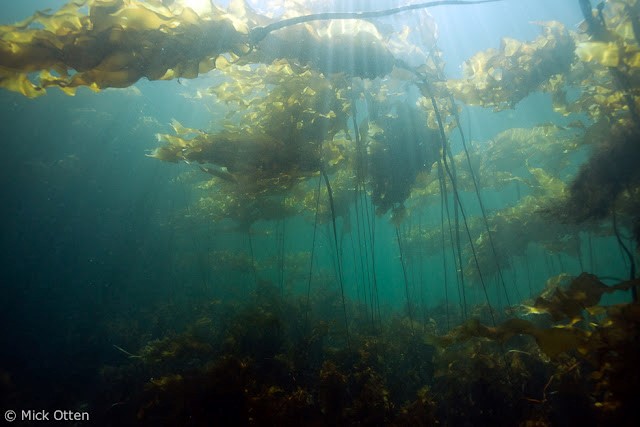
These kelp are vital to the ecosystems beneath the water, providing homes, and meals for huge numbers of species. Not only that, but their presence keeps large waves from affecting the coastline much harder than it would. This is why it is so concerning that harvest is allowed to happen up to 2 meters on growing kelp, often severing the pneumatocyst and the reproductive spore packages. Other than that, human causes are often bad for kelp forests, as it regularly drives away otters, which are essential for keeping the urchin population in check. If the urchin population becomes uncontrolled, they will consume entire kelp forests over time. This is why we must ensure we remain careful in how we interact with the environment around us, in hopes that we can prevent it from dying out.
That's the bullwhip kelp, everybody. I hope you had a wonderful time reading about it, even if it is a bit out of range from the usual topics, and have a wonderful day!