Date:Tue 10/1/2024 11:29 AM
Happy Tuesday, everybody! Today's fish of the day is the fathead minnow!
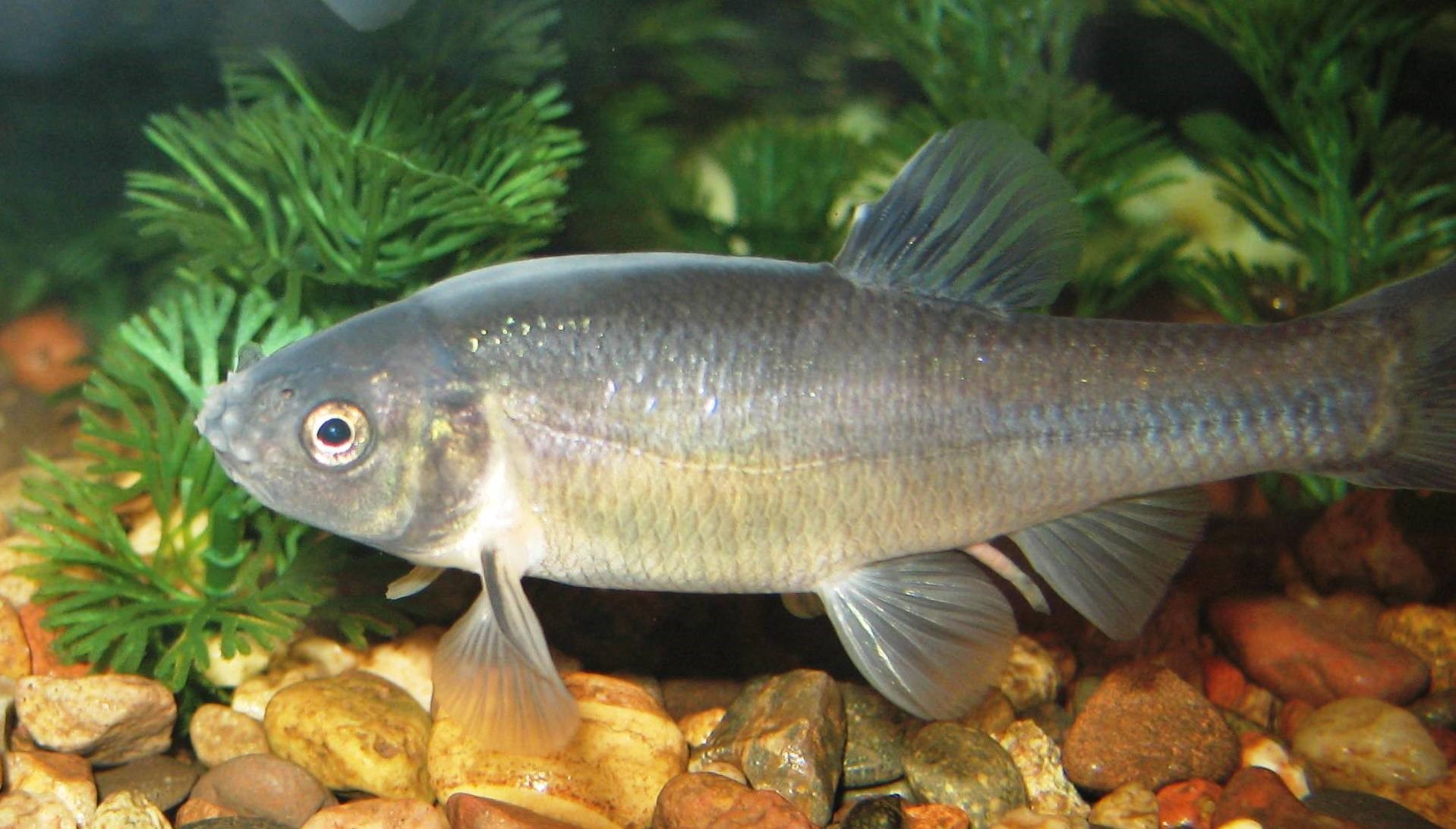
The fathead minnow, known also by the names: tuffy, fathead, and in the freshwater hobbyist industry a variant known as rosy red minnow. Scientific name Pimephales promelas, this fish is spread across North America, with a range stretching from the Southern borders of Canada, to the Northern borders of Mexico, stretching primarily along the great lakes and all connected rivers and streams down to the Rio Grande, and rivers in Chiwawa. This is their native region. However, outside of their native region they can be found introduced in the Atlantic and Pacific drainage areas, following rivers and creeks across the American South and the Colorado river. Invasive populations can also be found across Europe, where the fish has been listed as the main spreader of enteric redmouth disease, a bacterial infection that causes a hemorrhaging of mouth, fins, and eyes of salmonids.
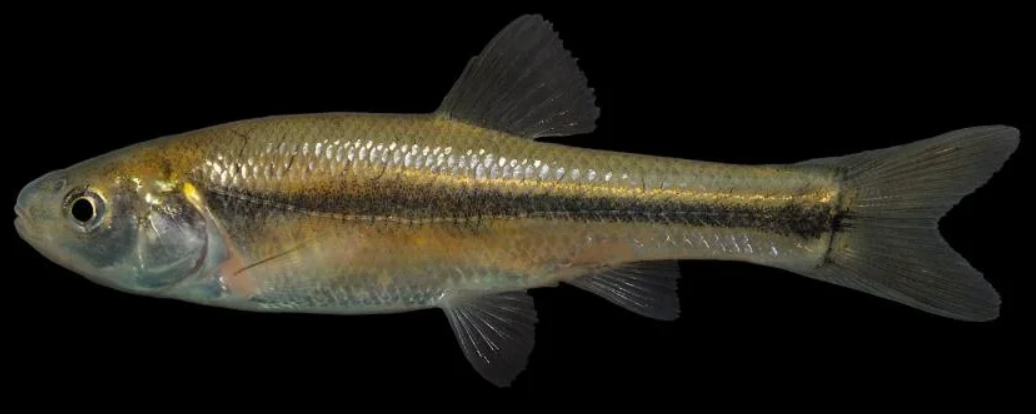
Inside of the listed areas, the fish live in all variation of freshwater: rivers, creeks, and muddy pools of headwater.Known for their resilience for high turbidity, temperatures, pH, low oxygen, salinities, these fish thrive in environments other freshwater fish and minnows can not. They live in schools of fish near the bed, primarily due to their diet primarily being made up of scavenged algaes. Other than aquatic algae, the diet of the fathead minnow includes scavenged animal matter, primarily their fallen compatriots, crustaceans, detritus, zooplankton, and insect larvae. The fathead minnow is often predated on by larger predatory fish, but they contain a simple warning system that gives their schools a leg up. Communication in these fish is done almost exclusively in chemical signaling, from the release of alarm substances, to being used to identify familiar and unfamiliar fish to certain population schools, and use in breeding and courtship displays.
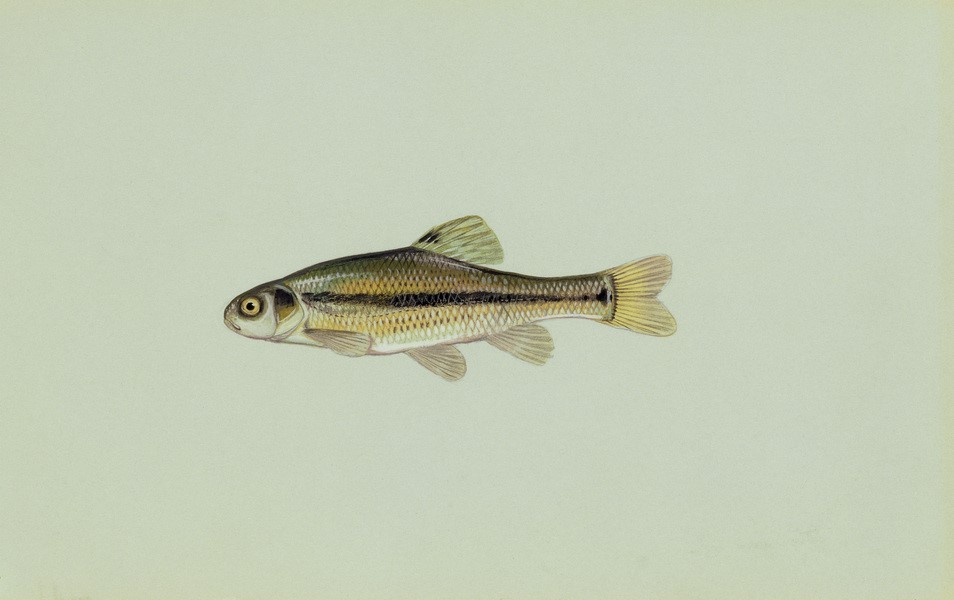
The alarm substance called Schreckstoff is believed to be secreted by all ostariophysan fish, one of the largest suborders of fish in the world, but research was first conducted on this substance in fathead minnows in the 1930's. Schreckstoff is a distinct club of cells on the epidermal that release when attacked. When schreckstoff is sensed in the water by other fish, it triggers anti predator behaviors, and recognition. Allowing for them to associate certain fish as predatory quicker in the future. Other than this, the fathead minnow can be used to indicate the toxicity of a certain aquatic environment. Due to their ability to live in such tough areas, they can be found in areas other fish can't be, like drainage sites. We can observe a lack in fertility and correct male development in areas containing certain oestrogens produced by humans, and certain plastics, allowing us an easy indicator to the toxicity of water sources.
The reproductive cycle of the fathead minnow is similar to other minnows. The spawning takes place from May-August, and the fathead minnows are polyamourus, picking different mates each season. They will produce anywhere from 1,000 to 12,000 offspring per season, and will create nesting sites close to the water surface in areas with horizontal surfaces. The placement of these nesting sites are intentionally placed in areas with low oxygen in the water, implying that this is an intentional choice made to avoid predation. The male will then chase away the female and watch over the fertilized eggs for the next 4-5 months until hatch. After this only a percentage of these fish will live past the fry stage, but if they can make it to a year of age, they can begin spawning themselves. Eventually, after a long and fruitful life of around 3 years, the fish will die of old age and slowing reflex.
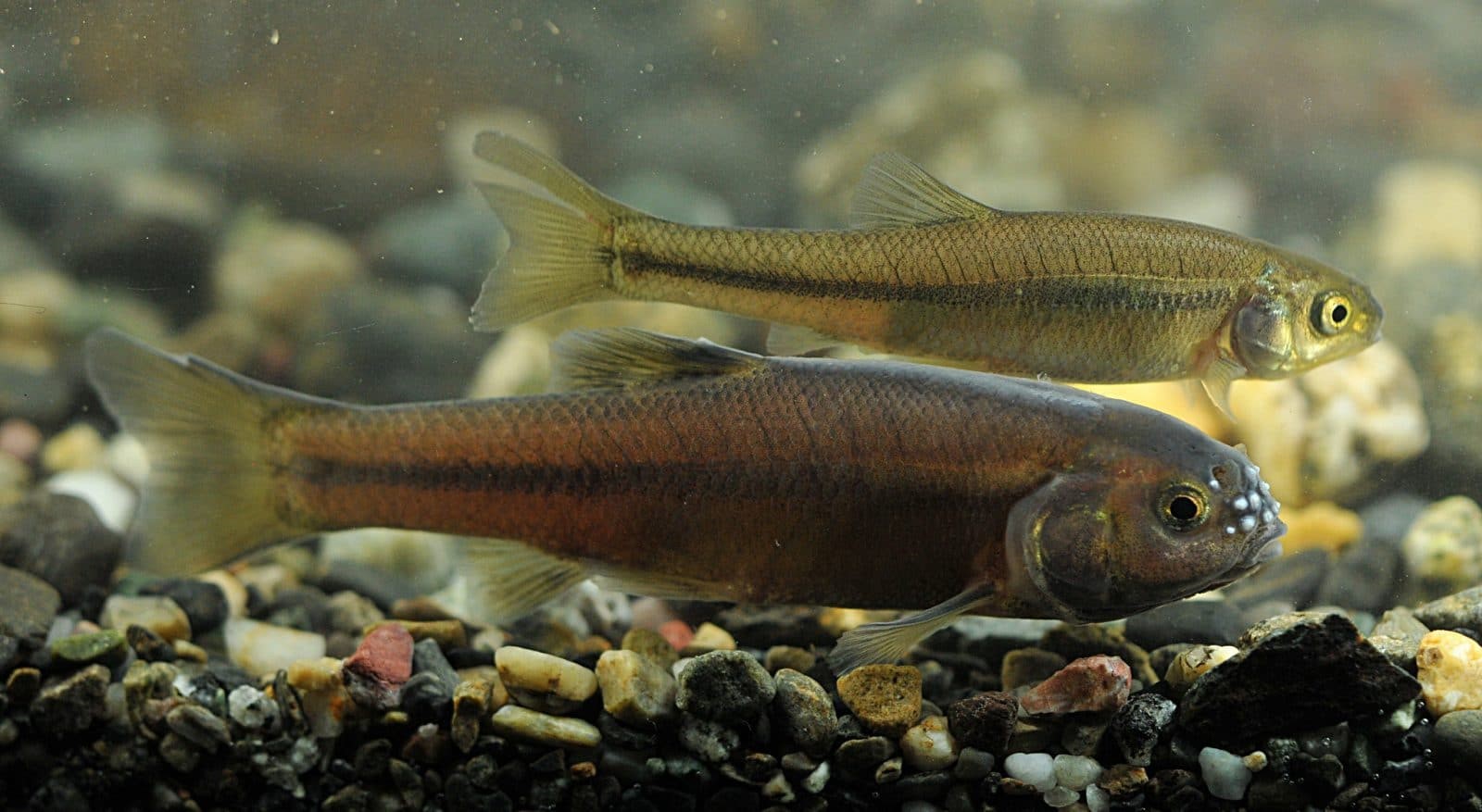
That's the fathead minnow, everybody! Have a wonderful Tuesday !